Voting With Their Pencils: Why Top Comic Talent Is Walking Away From Marvel and DC
There's a conversation happening in comic shops, on forums, and in the back pages of the industry that doesn't always get the attention it deserves. Some of the most talented writers and artists working today — people who spent years building flagship titles and defining beloved characters — are walking away from Marvel and DC. Not getting fired. Not burning out quietly. Actively choosing to go somewhere else.
That's worth paying attention to, especially if you've been wondering why your pull list feels a little flat lately.
The Names Are Hard to Ignore
This isn't a trickle. Over the past few years, creators with serious track records have made very deliberate moves toward creator-owned projects, established indie imprints, and smaller publishers that give them more control over their work. Names that built entire eras of X-Men runs, reinvented street-level heroes, and launched some of the most talked-about arcs of the last decade are now putting that energy into books they actually own.
Image Comics has long been the obvious landing spot — it was literally founded on this exact principle back in 1992. But the current wave looks different. BOOM! Studios, Dark Horse, Vault Comics, and a growing list of boutique publishers are all picking up talent that, ten years ago, would have been locked into exclusive Big Two contracts without a second thought. Substack and other direct-to-reader platforms have also entered the picture, letting creators bypass publishers entirely and build audiences on their own terms.
The result? Some of the most genuinely exciting comics being published right now have nothing to do with Spider-Man or Batman.
Why Creators Are Done Waiting
Ask anyone who's worked inside the Big Two system long enough and you'll hear versions of the same story. Editorial interference. Creative mandates handed down from corporate. A story you've spent months building getting derailed because a film division needs a character repositioned. Royalty structures that feel like a relic from another era. The sense that the characters you're pouring yourself into will always, fundamentally, belong to someone else.
For a long time, those frustrations were worth tolerating. The platform was enormous, the visibility unmatched, and the paychecks were real. But the calculus has shifted. Digital distribution and social media have lowered the barrier to reaching readers directly. A creator with a loyal following can launch a Kickstarter and fund an entire graphic novel without a publisher's blessing. The Big Two's distribution muscle matters less when readers are actively seeking out new voices and independent books are getting serious shelf space at shops across the country.
Creator ownership isn't a consolation prize anymore. For a lot of talented people, it's the goal.
What This Means for Your Pull List
Here's where it gets practical for collectors and regular readers alike. If you've been running a pull list built entirely around Marvel and DC titles, you might have noticed something: the books feel increasingly like they're running in place. Event fatigue is real. Continuity reshuffles every few years. The same characters die and come back so often it barely registers.
Meanwhile, some of the most emotionally resonant, visually ambitious, and narratively complete stories being published right now are sitting in the indie section of your local shop — or showing up in Previews without the marketing budget to fight for your attention.
The practical move for any serious reader is to treat your pull list like a portfolio. Diversify it. Give a few slots to creator-owned titles from names you already trust. Follow writers and artists, not just characters. When a creator you love announces they're doing something new outside the Big Two, that announcement deserves at least the same attention you'd give a new Marvel event.
For collectors specifically, early issues of creator-owned runs from established talent have a history of becoming genuinely valuable. Think about what first issues from respected creators are worth once the book gets traction or gets optioned. The upside is real — but you have to be paying attention before the buzz hits.
Is This Actually a Crack in the Foundation?
The honest answer is: maybe, but the Big Two aren't going anywhere fast.
Marvel and DC still control the cultural conversation in ways that independent publishers can't fully match. The film and TV machine keeps new readers cycling into shops looking for Batman and Iron Man comics. Nostalgia is a powerful force, and both publishers know exactly how to deploy it. They'll keep signing talented people, and some of those people will produce genuinely great work within the system.
But the monopoly on prestige is eroding. There was a time when the most critically acclaimed, most talked-about comics almost always came from the Big Two. That's no longer true, and hasn't been for a while. The Eisner nominations, the graphic novel bestseller lists, the books that readers are pressing into each other's hands — those increasingly come from outside the traditional power centers.
What's changed now is the volume and the visibility of the talent making the jump. It's one thing when a mid-tier creator goes indie. It's another when the people who wrote your favorite runs of the last decade are all making the same call.
How Shops and Readers Are Responding
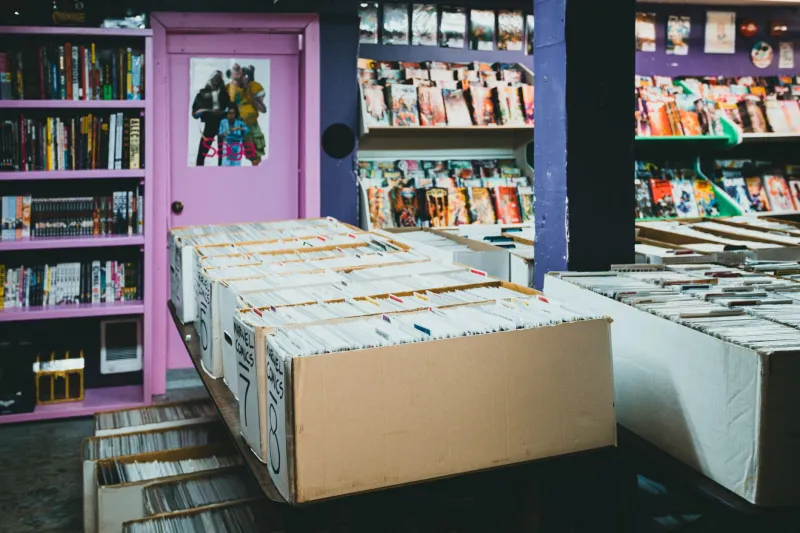
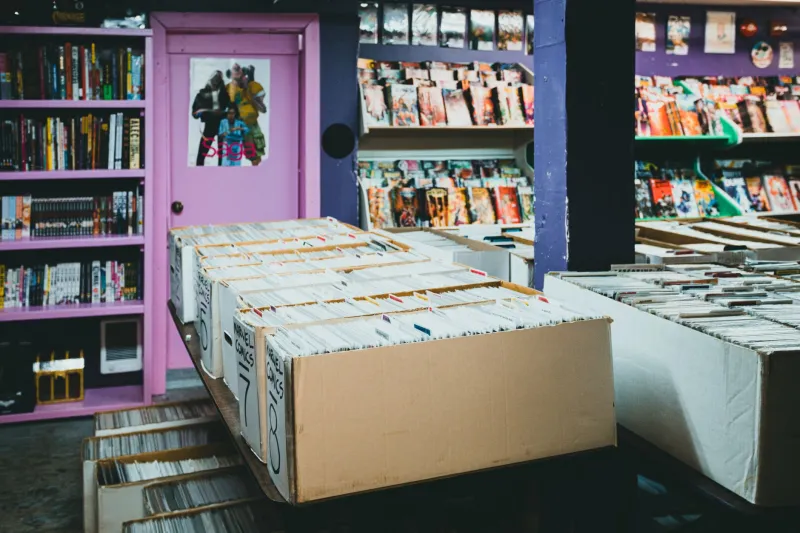
Good comic shops — the ones paying attention — are already adjusting. More shelf space for indie titles. Staff picks that actively steer customers toward creator-owned books. Subscription boxes built around emerging publishers rather than just Marvel and DC monthlies. The shops that thrive over the next decade will be the ones that help readers discover what's good, not just what's familiar.
Readers are catching up too. The stigma around "not reading superhero comics" has basically evaporated. Genre diversity in independent publishing — horror, sci-fi, literary fiction, crime, slice-of-life — means there's genuinely something for everyone outside the capes-and-tights lane.
The Bottom Line for Pull List Builders
Pay attention to where the talent is going. When a writer or artist you respect makes a move to a creator-owned project, follow them. Build relationships with your local shop's staff — they're often tracking this shift better than any algorithm. And don't sleep on first issues from respected creators working outside the Big Two.
The center of gravity in comics is shifting. It's not a crisis for readers — honestly, it might be the best thing that's happened to the medium in years. More great comics from more places, made by people who actually own what they're creating. That's worth updating your pull list for.