Empty Shelves, Empty Storefronts: The Slow Disappearance of America's Comic Shops and What Collectors Stand to Lose
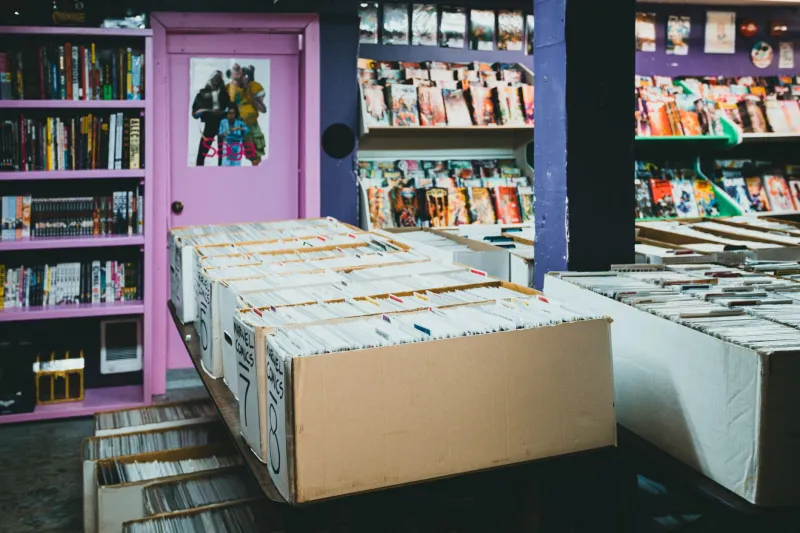
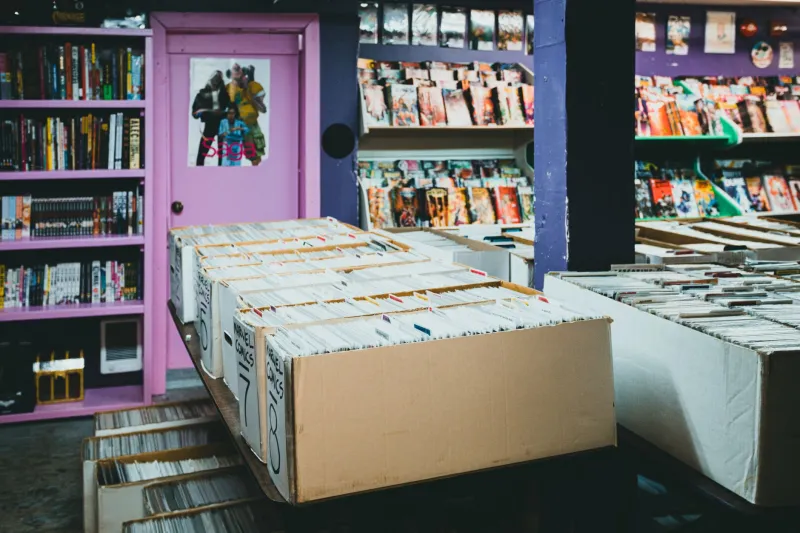
There's a particular kind of grief that hits when a comic shop closes. It's not like losing a grocery store or a gas station. It's more personal than that. You lose the guy behind the counter who knew your pull list by heart. You lose the back-issue bins you'd been slowly working through for three years. You lose Saturday afternoons that didn't need an agenda. When a comic shop shuts down, a whole ecosystem goes with it — and right now, that's happening at a pace that should concern every collector in America.
The Numbers Nobody Wants to Talk About
Diamond Comic Distributors — the longtime backbone of the direct market — filed for bankruptcy in 2024, sending shockwaves through an industry that was already navigating some genuinely rough terrain. But the closures didn't start there. Over the past decade, hundreds of independent comic retailers across the US have either shuttered permanently or dramatically downsized. Some moved to smaller storefronts. Others went entirely online. A few tried to pivot into gaming cafes or pop culture boutiques just to keep the lights on.
The economics are brutal and not exactly mysterious. Rent in most American cities has climbed to levels that make a specialty retail business almost impossible to sustain, especially one that depends on a product with thin margins and a customer base that — let's be honest — has been gradually migrating toward digital and mail-order options. Add in the disruption to distribution networks and the post-pandemic hangover that reshaped foot traffic patterns everywhere, and you've got a genuinely difficult environment for any shop trying to survive on new issues and back-catalog sales alone.
The Stories Behind the Closed Signs
Behind every shuttered storefront is a real story. In Portland, a shop that had operated for over twenty years quietly announced its final day on social media, and fans drove from hours away to say goodbye. In Chicago, a beloved neighborhood retailer relocated twice in three years trying to find affordable space, eventually landing in a suburb far from its original community. In smaller cities and rural areas, the situation is often even starker — some collectors are now driving ninety minutes or more to reach the nearest brick-and-mortar shop.
What's striking about these closures is how often they catch even loyal customers off guard. Many shop owners are reluctant to signal distress publicly because they worry it accelerates the problem. Customers hear things are rough and start ordering online just in case. The shop loses more revenue. The spiral tightens. By the time a closing announcement goes up, the decision has often already been made weeks or months earlier.
What the Survivors Are Doing Right
Here's the thing though — some shops are not just surviving, they're genuinely thriving. And the ones doing well have usually figured out that selling comics alone isn't enough anymore.
The retailers holding on have diversified hard. That means trading card games, tabletop RPGs, Funko Pops, vintage toys, graded slabs, original art, and event programming that turns the shop into a destination rather than just a transaction. Weekly game nights, signing events, reading clubs, and cosplay meetups are pulling in foot traffic that a new issue Wednesday simply can't generate on its own.
Some shops have also gotten smart about their online presence in ways that complement rather than cannibalize their physical location. A strong social media game — showing off new arrivals, highlighting grail finds from the back issue bins, streaming box opening events — has helped certain retailers build audiences that extend well beyond their zip code. Collectors who'd never set foot in a particular store are buying from it online because they feel connected to the personality and culture the shop projects.
Subscription models and loyalty programs are another tool the survivors are leaning on. Locking in reliable monthly revenue through pull list subscriptions or tiered membership perks gives shops the kind of predictable cash flow that makes it easier to weather slow weeks.
What Collectors Can Actually Do
If you care about having a local shop to walk into — and most collectors do, even if they don't always act like it — then your habits matter more than you might think.
Buy local first, online second. This one sounds obvious, but a lot of collectors default to convenience without realizing the cumulative damage. If your shop can get you something, give them the first shot at the sale. The margin difference on your end is often minimal. The difference for the shop can be significant.
Show up for events. Even if you're not particularly into game nights or signing events, your presence at a shop's programming tells the owner that the community is engaged. It also helps justify the cost of running those events in the first place.
Talk about your shop publicly. Word of mouth still matters enormously in specialty retail. A positive review, a tagged post, a recommendation to a friend who just got into comics — these things add up. Shops often can't afford real advertising budgets, so community advocacy is genuinely valuable.
Buy gift cards. This one's underrated. A gift card purchase gives the shop immediate cash flow and usually results in a future sale too. During slow seasons, that kind of liquidity can be the difference between making rent or not.
Don't just browse, buy. Plenty of collectors treat local shops like free museums — they come in to look, handle the merchandise, get recommendations, and then order everything online. If a shop is giving you value through its expertise and curation, reciprocate.
Building Community When the Shop Is Gone
For collectors in areas where the local shop has already closed, the challenge becomes maintaining community without a physical anchor. Online communities, local comic reading groups, and regional conventions can partially fill that gap. Some collector groups have started organizing informal swap meets and show-and-tell events at libraries, coffee shops, or community centers — low-overhead ways to keep the culture alive.
It's not the same as having a great shop. Nothing really is. But building those connections keeps collectors engaged with each other and with the hobby in ways that pure online transactions can't replicate.
The Bigger Picture
Comic shops aren't just retail outlets. They're where people discovered their first superhero, where friendships formed over shared obsessions, where the culture of this hobby actually lives. When they close, something real is lost — not just for collectors, but for the publishers and creators whose work depends on those shops putting issues in front of curious new readers.
The shops that are still standing deserve more than passive appreciation. They deserve active support from the communities they've been serving, sometimes for decades. If you've got a good local shop, treat it like the irreplaceable thing it is. Because once it's gone, you'll know exactly what that means.