Stay-at-Home Collectors: How the Shift to Online Ordering Is Reshaping the Comic Shop Experience
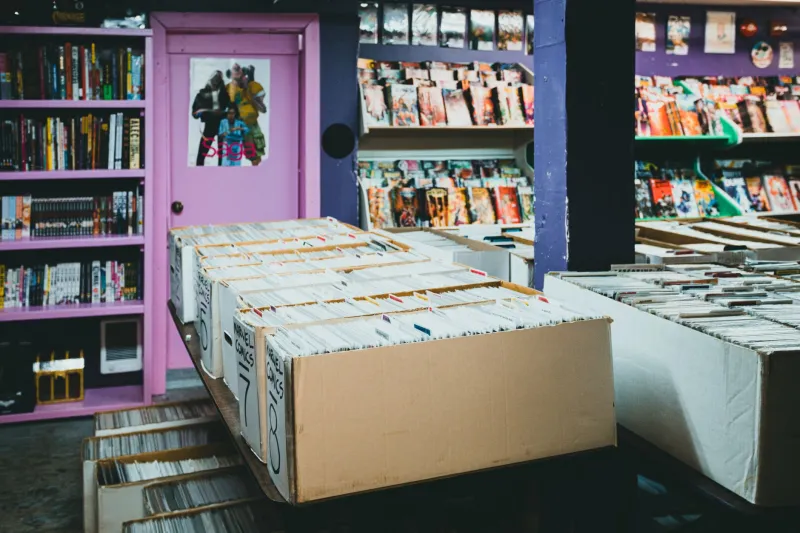
There was a time when Wednesday meant something specific. You'd carve out a lunch break or make a detour on the drive home, push through the door of your local shop, and spend twenty minutes flipping through new releases while arguing with someone behind the counter about whether the latest crossover event was actually worth following. It was a ritual. It was community. And for a lot of collectors, it's quietly becoming a thing of the past.
The numbers don't lie: online comic ordering — through services like DCBS, Midtown Comics, and subscription-based platforms — has been steadily pulling customers away from brick-and-mortar retailers. The pandemic accelerated what was already a slow bleed, and now, years later, many shops are still figuring out how to compete with the convenience of having your pull list show up at the door in a polybag.
What Collectors Are Actually Saying
Talk to enough collectors and a pattern emerges pretty quickly. The appeal of online ordering isn't just price — though discounts of 30 to 40 percent off cover price don't hurt. It's the friction reduction. No driving. No parking. No hoping your shop ordered enough copies of a variant you wanted. No awkward conversation when you realize you've been quietly dropping half the titles on your pull list.
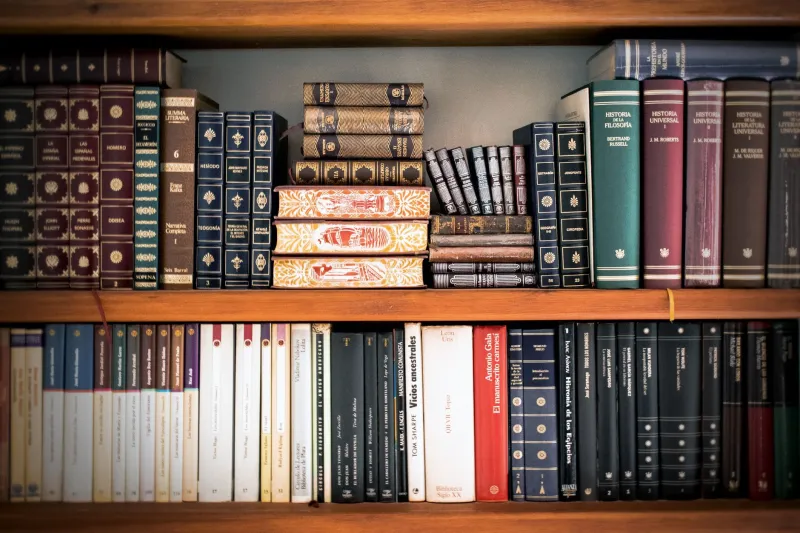
For collectors building serious home libraries, the math gets even more compelling. When you're buying in volume — trades, omnibuses, back issues — the savings stack up fast. And online marketplaces like eBay and MyComicShop have made hunting down older issues more accessible than ever, replacing the need to dig through dusty long boxes at a convention or wait for a shop to stock something specific.
Post-pandemic habits hardened fast. A lot of readers who switched to digital or online ordering during lockdown simply never came back. Not out of spite — just inertia. The new system worked. The old one required effort.
The Shop Owner's Perspective
Shop owners will tell you they saw it coming, even if they didn't expect it to hit quite this hard. The ones who are thriving right now aren't the stores that just sell comics anymore — they're the ones that figured out what online retailers fundamentally cannot offer.
Take the model that's working in a lot of mid-sized markets: events. Game nights, creator signings, grading nights where collectors bring in their books and geek out over condition and value together. Some shops have added coffee bars. Others have leaned hard into collectibles — statues, Funko Pops, original art — categories where the tactile experience of seeing something in person actually matters.
One shop owner in the Midwest described his strategy bluntly: "I stopped competing with Amazon on price and started competing on experience. You can't get a conversation with Amazon. You can't discover something unexpected in an algorithm the same way you can when a good shop employee hands you a book and says 'trust me on this one.'" That's a real value proposition, but it requires shops to invest in staff who actually know their stuff — which isn't cheap.
The shops that are struggling tend to be the ones that haven't changed the formula. If your store looks exactly like it did in 2010 and your main pitch is "we have the new releases," you're competing on a field where you're already at a disadvantage.
The Community Question
Here's the thing that gets lost in the convenience conversation: comic shops have always been about more than product. For a lot of fans — especially younger readers who discovered the medium without an obvious entry point — a local shop was where fandom became real. Where you met the people who cared about the same weird, niche stuff you did. Where your taste got challenged and expanded.
That community function doesn't have an obvious online replacement. Discord servers and subreddits fill part of the gap, but they're not the same as physical proximity to other enthusiasts. The serendipity of a good shop — stumbling onto a series you never would have searched for, overhearing a recommendation that changes your reading list — is genuinely hard to replicate through an algorithm.
Some shops are leaning into this aggressively. Organized play for card games like Magic: The Gathering has become a genuine lifeline for a lot of retailers, pulling in foot traffic that then gets exposed to the comics side of the store. Others are hosting book club-style reading groups around specific series or characters. The idea is to make the shop a destination, not just a transaction point.
Building a Home Library Without Losing the Plot
If you're one of the collectors who's made the shift — or is thinking about it — a few things are worth keeping in mind. Online ordering is genuinely great for ongoing pull lists and for hunting down specific back issues or collected editions. Services like DCBS offer real savings on new releases if you plan ahead, and the major online marketplaces have made finding older material dramatically easier than it used to be.
But it's worth being intentional about what you're giving up. If there's a local shop in your area that's doing the work — running events, employing knowledgeable staff, being a real part of the community — throwing them some business matters. Not out of nostalgia, but because the infrastructure they provide is genuinely valuable to the hobby as a whole. A region with no comic shops is a region where it's harder for new readers to find their way in.
A reasonable middle ground: use online services for your regular pulls and volume purchases, but make a point of visiting your local shop for variant hunting, back issue digging, and the occasional impulse buy. Keep a relationship with the people who actually know your taste.
What Comes Next
The honest answer is that some shops won't make it. The market is contracting in certain segments, and not every retailer has the resources or the imagination to reinvent themselves. That's a real loss — not just for collectors, but for the culture around comics that makes this hobby worth caring about.
The shops that survive will probably look pretty different from what most of us grew up with. More event space. More collectibles. More of an emphasis on community programming and less on just stocking shelves. Which isn't necessarily bad — it might actually produce a version of the comic shop that's more sustainable and more interesting than the old model.
But it requires collectors to make some conscious choices about where they spend their money and their time. The home library is a great thing to build. Just don't let it become the only relationship you have with comics.