Bound for Glory: Why Serious Collectors Are Breaking Up With Single Issues

There was a time when Wednesday was practically a religious holiday. You'd hit the shop, grab your pull list, maybe flip through a few back issues, and walk out with a stack of stapled pamphlets that represented the week's worth of waiting. That ritual still exists — but for a lot of collectors, it's starting to feel like a habit they're slowly outgrowing.
The shift toward collected editions, hardcovers, and omnibus volumes isn't new. But the pace has picked up considerably, and the reasons behind it say a lot about where comic collecting is headed.
The Math Just Hits Different Now
Let's be honest about the economics first, because that's where most conversations start. A single issue runs you anywhere from $4.99 to $6.99 depending on the publisher and the format. A six-issue arc — which is pretty standard — will cost you roughly $25 to $40 if you're buying it month to month. That same arc collected into a trade paperback typically retails for $17.99 to $24.99. A deluxe hardcover might run $35 to $50, but you're usually getting more content, better paper stock, bonus material, and something that actually looks good on a shelf.
Collectors who've done this math aren't being cheap. They're being deliberate. "I realized I was spending $60 a month on single issues that I'd read once and shove in a box," says Marcus, a collector from outside Columbus who's been buying comics since the early 2000s. "Now I wait for the hardcover, I pay less per page, and the thing I end up with actually feels like something I own."
That word — own — comes up a lot in these conversations.
The Storage Problem Nobody Talks About Enough
Long boxes are the dirty secret of single-issue collecting. They're not glamorous. They're not display-friendly. They stack in closets and garages and spare bedrooms, and every year you add more boxes to the pile until you've essentially built a cardboard archive of your own purchasing decisions.
Omnibus volumes and oversized hardcovers, by contrast, live on bookshelves. They're visible. They're accessible. You can hand one to a friend who's never read a comic in their life and they'll treat it like a real book — because it is one.
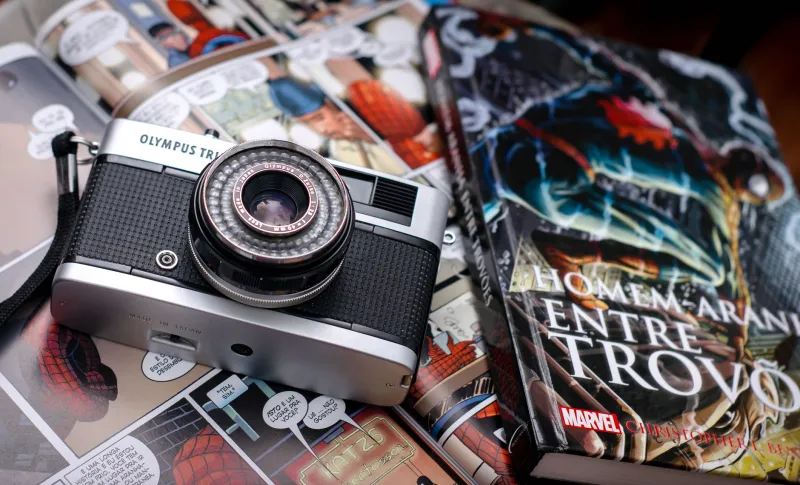
Marvel and DC have both leaned hard into this. Marvel's Omnibus line has expanded dramatically over the last decade, collecting entire runs — sometimes hundreds of issues — into single massive volumes. DC's Absolute Editions do the same with a premium presentation that borders on art object territory. These aren't just convenient reprints. They're designed to feel like definitive statements about a character or era.
"The Absolute Batman: Hush sitting on my shelf does more for my love of that story than 12 individual issues ever did," says Priya, a collector and educator from the Chicago suburbs. "There's something about the weight of it. The permanence."
What Publishers Are Selling You (And Why It Works)
Here's the part worth being clear-eyed about: publishers figured out the collected-edition market a long time ago, and they've structured their release schedules accordingly. The "wait for the trade" strategy that fans joke about is, increasingly, exactly what publishers are banking on.
Marvel and DC both track single-issue sales, but their collected-edition revenue is substantial and growing. Image Comics built much of its mainstream crossover success — think Saga, The Walking Dead, Deadly Class — on trade paperback accessibility rather than single-issue dominance. Those books found massive audiences at bookstores, libraries, and online retailers who would never carry a monthly floppy.
That's not a coincidence. It's a business model.
The omnibus market in particular has become a collector's status game all its own. Limited print runs, out-of-print volumes that command serious secondary market prices, retailer-exclusive variants with different cover art — all the same scarcity mechanics that drive single-issue variant collecting have migrated into the hardcover space. The format changed. The psychology didn't.
Retailers Caught in the Middle
For local comic shops, this trend is genuinely complicated. Single issues drive weekly foot traffic. They're the reason people come in on Wednesday, browse the new releases wall, maybe grab something they weren't planning on. Collected editions, by contrast, are often ordered online, sometimes from Amazon or Book Depository, at discounts that brick-and-mortar stores can't easily match.
"My single-issue pull list customers are my most loyal customers," says one shop owner in the Pacific Northwest who's been running his store for over fifteen years. "But I'm seeing more and more people come in specifically for hardcovers and omnibuses. The challenge is that those customers buy less frequently and often price-shop. I have to work harder to give them a reason to buy from me instead of clicking a button at home."
Some retailers have responded by curating their collected-edition sections more aggressively, hosting reading-group events around specific runs, or offering subscriber discounts on pre-orders. Others have doubled down on the experience of the shop itself — the community, the expertise, the ability to actually hold a book before you buy it.
It's an ongoing adjustment, and the shops that are figuring it out are the ones treating collected editions as a category worth investing in rather than a threat to their pull-list business.
The Environmental Angle (Yes, Really)
This one doesn't come up as often, but it's real. Monthly single issues involve a lot of paper, a lot of shipping, and a lot of eventual waste — especially when you factor in unsold copies and the sheer volume of back issues that end up in dollar bins or landfills. Collected editions consolidate that material into something more durable and less disposable.
It's not the primary reason most people make the switch, but for a certain kind of collector, it adds up to one more reason to feel good about the choice.
So Is the Single Issue Dead?
Not even close. There are readers who genuinely love the monthly experience — the anticipation, the cliffhangers, the community conversation that happens in real time around new releases. There's a social dimension to single-issue reading that collected editions can't replicate. You can't really argue about a plot twist with your shop's regulars when you're reading an omnibus six years after the fact.
But the balance is shifting. More collectors are treating single issues as optional rather than automatic, reserving them for runs they're truly passionate about and letting everything else wait for a format that serves them better in the long run.
The format wars aren't really wars. They're a maturation. Comics readers are getting more intentional about what they buy, how they read it, and what they actually want their collections to look like. That's not a crisis for the industry — it's a sign that the audience is growing up alongside the medium.
And honestly? Those omnibus editions look really good on a shelf.