Cheap Reads, Big Feelings: How Budget Reprint Collections Are Changing Who Actually Owns Comics History

There's a copy of Infinity Gauntlet sitting on a shelf at a Target in suburban Ohio right now. It's a slim trade paperback, priced somewhere around $20, and it's probably sandwiched between a couple of manga volumes and a coloring book. Ten years ago, that would've seemed like a fever dream. Now it's Tuesday.
Marvel and DC have been quietly — and not so quietly — flooding the market with affordable reprint lines, budget omnibuses, and mass-market collected editions for a while now. And depending on who you ask, that's either the best thing to happen to comics in a generation or the beginning of the end of the hobby as serious collectors know it. The truth, predictably, is somewhere in the middle. But the conversation is worth having.
The Access Problem Was Always Real
Let's be honest about something: comics have had a gatekeeping problem for decades. Not always intentional, but real nonetheless. If you wanted to read Watchmen, The Dark Knight Returns, or the original X-Men run in any comprehensive way, you were either hunting long boxes at conventions, paying inflated back-issue prices, or shelling out serious cash for a hardcover omnibus that retailed north of $150. For a lot of people — especially younger readers, folks in lower-income brackets, or anyone outside a major metro area with a good local shop — that math just didn't work.
The reprint boom changes that equation. DC's Absolute and Omnibus lines have always been prestige products, but the publisher has also leaned hard into affordable trades and paperback collections that put landmark runs in reach for under $30. Marvel's done the same, with Epic Collections, Visionaries paperbacks, and the occasional mass-market reprint that ends up on Amazon for the price of a decent lunch. Suddenly, a 16-year-old in rural Kansas can read Kraven's Last Hunt without it being a financial event.
That matters. It genuinely matters for the long-term health of the medium.
But Collectors Are Nervous, and That's Understandable
Here's where it gets complicated. A significant chunk of comic collecting culture has always been tied to scarcity. Part of what made owning a first-print hardcover of House of M or a high-grade copy of Amazing Spider-Man #300 feel meaningful was that not everyone had one. The hunt, the investment, the bragging rights — all of that is woven into the fabric of what collecting is for a lot of people.
When a story that once commanded $200 on eBay gets reprinted in a $25 softcover, collectors feel something. Some call it devaluation. Others call it jealousy, though they won't use that word. The sentiment is real either way: if anyone can walk into a Barnes & Noble and grab the same story, does your carefully preserved original edition mean less?
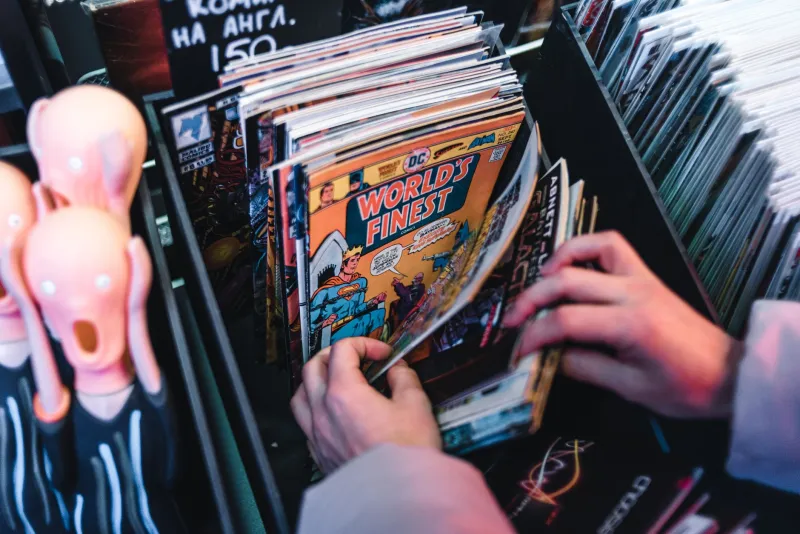
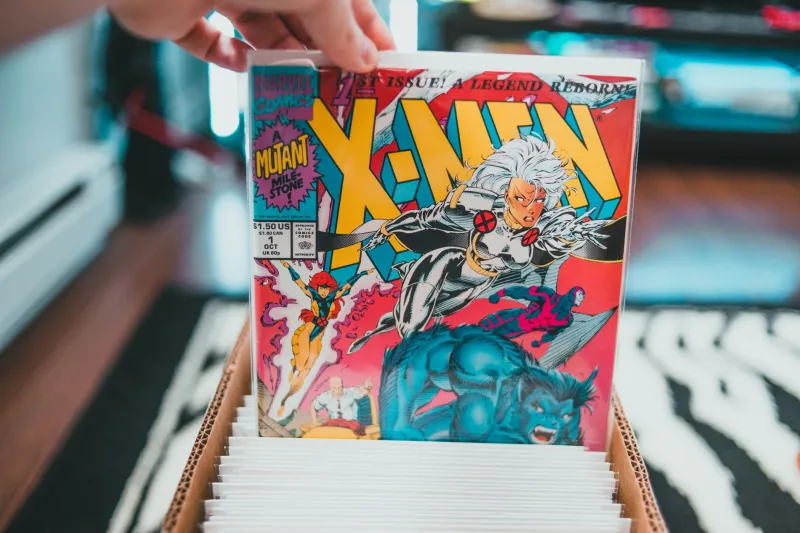
The short answer is no — at least not in any objective financial sense. First prints, original editions, and high-grade single issues still hold value in the collector market because they're the real artifact. A reprint of Batman: Year One doesn't make a 1987 issue of Batman #404 worth any less to someone who grades and slabs. The collector market and the casual reader market are operating on different logic.
But emotionally? The anxiety is real, and it's worth acknowledging rather than dismissing.
New Readers Are the Point — And They're Showing Up
Talk to anyone who's come into comics in the last five years and you'll hear the same thing over and over: the affordable collected edition was the door they walked through. A trade paperback of Ms. Marvel at a library sale. A budget omnibus of Daredevil: Born Again spotted at a Half Price Books. A $15 paperback of Saga Volume 1 that a friend bought them as a birthday gift.
These are the entry points that didn't exist in the same volume a decade ago. And once someone reads one good collected story, the pipeline tends to hold. They start wanting more. They find a local shop. They start asking about single issues. They get pulled into the ongoing conversation that is monthly comics. The reprint market isn't cannibalizing the hobby — for a lot of new readers, it's the reason they're in the hobby at all.
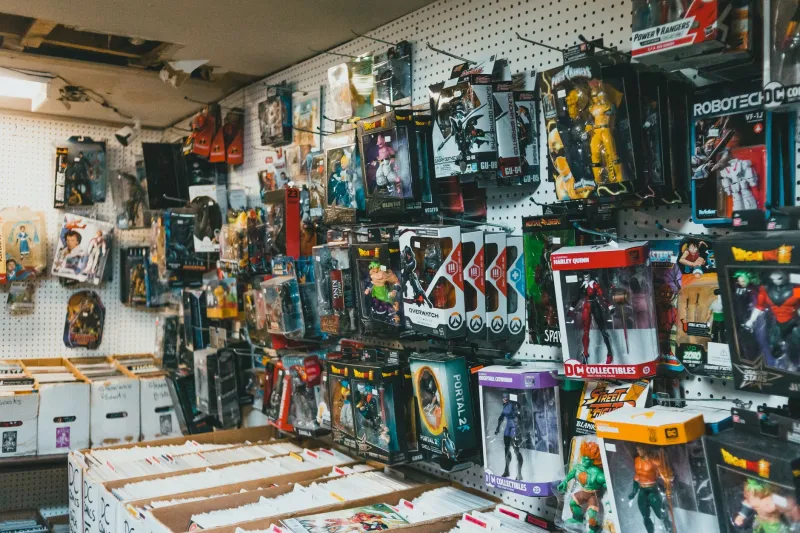
Local retailers have noticed. The stores that have leaned into stocking affordable trades alongside their single issues and back-issue bins have generally seen broader foot traffic. It's not always an immediate sale on the premium stuff, but it's building a customer base that eventually gets there.
What Actually Counts in This Hobby?
This is the real question underneath all the noise, isn't it? What makes something worth collecting? Is it rarity? Condition? Sentimental value? Investment potential? The story itself?
The reprint boom is forcing a lot of collectors to articulate what they actually care about — which is, honestly, a healthy exercise. If your attachment to a book is purely financial, then yes, cheap reprints create some friction. If your attachment is to the story, the art, the history of a particular run, then a mass-market paperback doesn't threaten anything. It just means more people get to love the same thing you do.
There's also a generational dimension here. Older collectors who built their libraries in an era of scarcity sometimes struggle to see affordability as a feature rather than a bug. Younger readers who grew up with digital streaming and instant access to everything have a fundamentally different relationship with ownership and exclusivity. Neither perspective is wrong — they're just shaped by different eras of media culture.
The Bigger Picture for the Industry
Marvel and DC aren't doing this purely out of altruism. Budget reprint lines are revenue. They're also brand maintenance — keeping classic stories visible, keeping characters culturally relevant, feeding the pipeline for movie and TV adaptations. There's a business logic to making Civil War accessible to someone who just watched the MCU version and wants to go deeper.
But the side effect of that business logic is genuine democratization. And that's worth celebrating even if it comes with some complicated feelings for the collecting community.
The hobby is big enough to hold both realities: the serious collector who slabs first prints and tracks CGC values, and the new reader who grabbed a $20 paperback at a comic shop on Free Comic Book Day and hasn't stopped reading since. Those two people aren't enemies. They're both part of what keeps comics alive.
The long box and the budget trade can coexist. They always have. The reprint boom just makes that coexistence a little more visible — and a little more worth talking about.