Scarcity for Sale: The Variant Cover Market and the Collectors Getting Left Behind
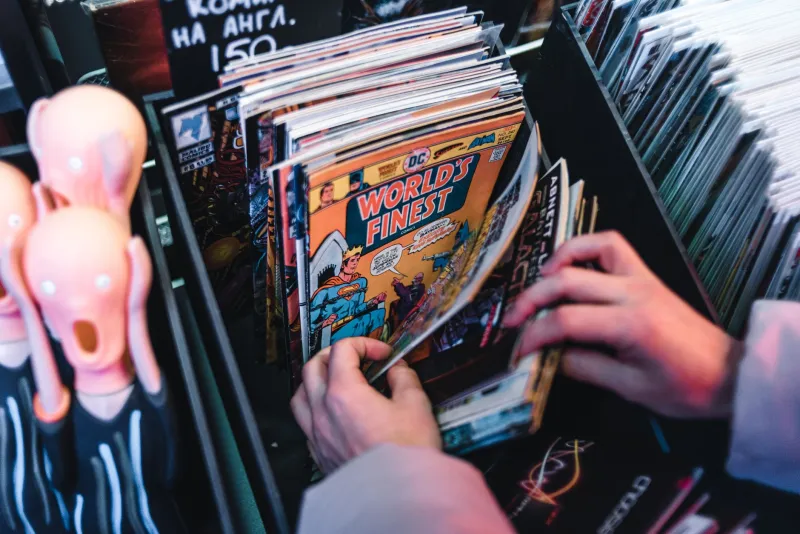
Somewhere right now, a limited 1-in-100 retailer incentive variant of a comic you've never heard of is selling on eBay for $200. By next month, it'll be $40. By next year, it might be lining the bottom of a long box nobody opens. This is the variant cover economy in action, and depending on where you're standing, it's either a golden opportunity or a slow-motion scam.
The honest answer is that it's a little of both — and understanding which side of that line any given variant falls on is one of the most valuable skills a collector can develop right now.
How We Got Here
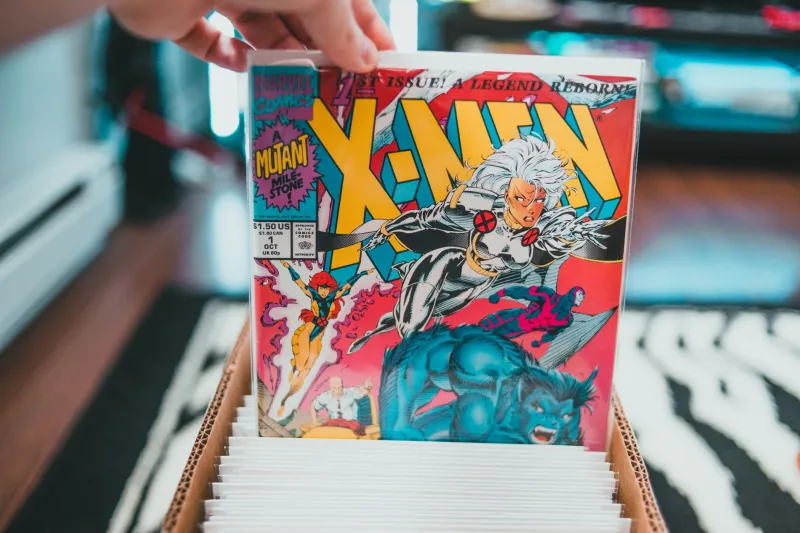
Variant covers aren't new. The speculator boom of the early 1990s gave us polybagged issues, foil embossing, and multiple covers for the same book, all marketed aggressively to buyers who believed scarcity meant value. That bubble burst spectacularly, wiping out savings and helping tank hundreds of comic shops across the country.
You'd think the industry would have learned its lesson. And for a while, it kind of did. Variants existed through the 2000s but were relatively restrained — a retailer exclusive here, an incentive cover there. Nothing that felt like a systematic strategy.
Then the MCU happened. New readers arrived. Speculation culture, turbocharged by social media and the rise of CGC grading, came roaring back. And publishers, who are businesses with quarterly targets like any other company, noticed.
Today, a major Marvel or DC launch might ship with anywhere from five to twenty different covers. Some are open-order variants available to any retailer. Others are ratio incentives — a shop has to order 25, 50, or even 100 copies of the standard edition to qualify for a single copy of the variant. A third category is store exclusives, produced in limited quantities for specific retailers or chains, often featuring original artwork commissioned just for that release.
The result is a market that can feel, depending on your perspective, either thrillingly dynamic or exhaustingly manipulative.
The Publisher and Retailer Angle
Let's give credit where it's due: the incentive variant system was originally designed to solve a real problem. Publishers wanted retailers to order more copies and take more risk on new titles. Ratio variants gave shops a reason to over-order, which theoretically helped new books find an audience.
The problem is that the incentive has become the product. When a publisher ships 15 covers for a single issue, the cover art is no longer packaging — it's inventory. Retailers who play the game correctly can flip high-ratio variants at significant markup and use that revenue to offset the cost of the extra copies they had to order. It's a legitimate business strategy. It's also one that increasingly treats the collector as a mark rather than a customer.
"There's a version of this that works great for everybody," says one longtime shop owner who asked not to be named. "And then there's the version where publishers see how much the secondary market is moving and start printing more and more variants specifically to chase that money. At that point you're not serving collectors, you're farming them."
The Flipper Economy
Enter the flippers. In collector communities on Reddit, Discord, and Instagram, a whole subculture has emerged around buying variants at cover price (or through retailer connections) and reselling them quickly on the secondary market. Done well, it's profitable. Done at scale, it's a business.
The ethics here are genuinely complicated. Flipping isn't illegal, and in a free market, nobody is owed a copy of anything at retail. But when scalpers vacuum up limited variants before actual fans can get them — a pattern that became especially visible during pandemic-era online sales — it poisons the well for everyone who just wants to own a cool piece of art connected to a character they love.
The other issue is what flipping culture does to the community's relationship with the hobby itself. When every new variant is immediately evaluated for its resale potential before anyone has even read the issue, something gets lost. Comics become commodities. The conversation shifts from "did you read this?" to "did you see what this is selling for?"
Long-time collectors notice the shift. "I've been buying comics since the late '80s," says Marcus T., a collector based in Chicago who focuses on Bronze Age books. "I watch people in Facebook groups buy variants they've never read, never will read, and immediately list them. That's not collecting. That's day trading with staples in it."
How to Tell a Real Collectible from Manufactured FOMO
So how do you actually navigate this landscape without getting burned? A few practical principles that experienced collectors consistently point to:
Artist significance matters more than print run. A variant cover by Adam Hughes, Jenny Frison, or J. Scott Campbell has lasting appeal because those artists have established fanbases who will want that work regardless of the issue's content. A variant by an unknown artist on a mid-tier title, regardless of how limited it is, has a much harder road to long-term value.
First appearances are still the gold standard. Variant covers of a character's first appearance — or a variant that is a first appearance — carry genuine historical weight. Everything else is speculation on top of speculation.
Watch the print run math. A 1-in-25 incentive variant on a book that ships 50,000 copies is more common than a 1-in-100 variant on a book that ships 5,000. Actual scarcity requires knowing both sides of the equation, and publishers don't always make that easy to figure out.
Give it 90 days. The secondary market for most variants peaks in the first few weeks after release and then corrects sharply. If you're buying for investment rather than love, patience almost always rewards you with a lower entry price. If a variant is still trading at a premium six months later, that's a better signal of genuine demand.
Buy what you actually like. This sounds obvious, but it's the most important rule. A variant cover you love, featuring art you want on your wall or in your collection, has value to you regardless of what the market does. A variant you bought purely because someone on social media told you it was going to pop is just a gamble with a staple in it.
The Joy Problem
The deepest issue with the variant economy isn't financial — it's emotional. Collecting comics has always been about the intersection of passion and ownership, the feeling of holding something you love and knowing it's yours. When that experience gets filtered through constant market anxiety, the joy drains out pretty fast.
The publishers and retailers running this system aren't villains. They're responding to real market signals. But collectors have more power than they sometimes realize. When a variant-heavy launch underperforms because readers are fatigued, publishers notice. When a store exclusive sits unsold, shops recalibrate.
The variant cover economy only works as long as collectors keep playing. And knowing when to step back — to buy the standard edition of a great comic and just read the thing — might be the most subversive act available to a fan right now.
Sometimes the best collectible is the one you actually care about.