Pulling Through: Why Your Local Comic Shop Still Matters More Than Ever
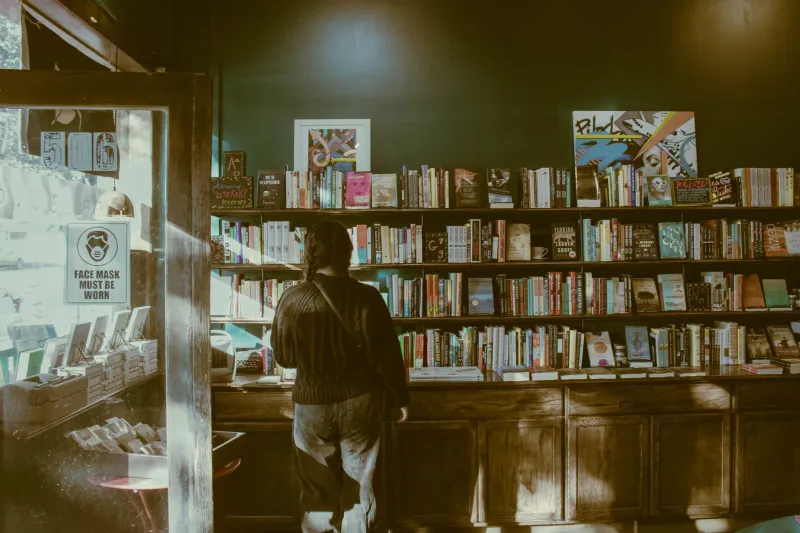
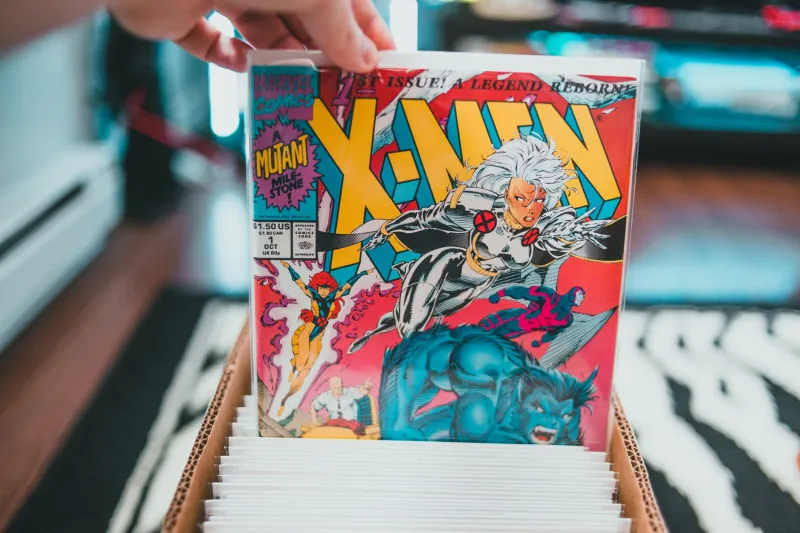
Walk into almost any comic shop in America on a Wednesday — new comic day — and you'll feel something that no algorithm has figured out how to replicate. There's a guy in the corner flipping through a stack of back issues he's been hunting for two years. Someone behind the counter is arguing, passionately and incorrectly, about whether the Hickman X-Men run peaks at House of X or Powers of X. A teenager is holding their very first issue of Ms. Marvel like it might float away.
That energy is real. And it's under serious threat.
The Squeeze Is Real
Let's not sugarcoat it. Brick-and-mortar comic retailers are navigating one of the roughest stretches in the hobby's history. Online giants like Amazon offer deep discounts on trade paperbacks. Subscription box services like Midtown Comics' mail subscriptions, League of Comic Geeks pull-list integrations, and curated mystery boxes from services like Loot Crate and its many imitators have given collectors a reason to never leave the couch. Digital platforms like ComiXology (now folded into Amazon's Kindle ecosystem) put thousands of issues in readers' pockets for less than the cost of a single floppy.
The numbers back up the concern. The number of specialty comic retailers in the US has fluctuated dramatically since the peak of the 1990s boom — when there were reportedly over 10,000 shops — down to somewhere in the low thousands today. COVID accelerated closures that were already happening. Shipping costs, rising rent, and the unpredictable nature of distributor exclusives have made running a shop feel like a constant high-wire act.
"You're competing with free shipping and algorithms that know what someone wants before they do," says Marcus Webb, who runs a shop outside Columbus, Ohio. "How do you beat that? You can't out-Amazon Amazon. So you stop trying."
The Pivot: What Smart Shops Are Doing Differently
The retailers who are surviving — and in some cases genuinely thriving — have figured out something important: they're not just selling comics. They're selling an experience that scales poorly online.
Events are everything. Signing events, release-night parties, trivia nights, cosplay contests tied to major film releases — these bring people through the door who might not have a pull list. A shop in Austin, Texas started hosting "first issue" nights where newcomers can pick any first issue from the store's back catalog for free with any purchase. The result? A dozen regulars who'd never set foot in a comic shop before.
Community-first pull lists. Some retailers have started pairing their pull list service with personal recommendations, essentially acting as a curator rather than just a fulfillment center. "When someone adds a new book to their pull, I'll send them a text if I think there's something they'd love that they missed," says one shop owner in Portland. "That's not something a website does."
Local exclusives and variant partnerships. A growing number of independent retailers have partnered directly with publishers to produce store-exclusive variant covers. These aren't just vanity projects — they drive foot traffic, create genuine collectible value, and give regulars something they literally cannot get anywhere else. It's a smart play that turns the variant cover craze (more on that in our other piece this week) into a tool for the little guy.
Gaming and hobby crossovers. Shops that have added board games, trading card games like Magic or the Pokémon TCG, and tabletop RPG nights have created a second revenue stream while pulling in a crowd that overlaps heavily with comic readers. It's not a betrayal of the form — it's survival.
What Makes a Physical Shop Irreplaceable
Here's the honest truth that every veteran collector knows: you don't find your favorite comic. It finds you. That doesn't happen on a website.
The random back-issue bin discovery. The shop owner who says "hold on, I've got something in the back you need to see." The overheard conversation between two strangers about a run you've never heard of. These moments happen in physical spaces, and they're responsible for some of the most meaningful parts of this hobby.
There's also the matter of expertise. A good comic shop employee isn't just a cashier — they're a walking index of publishing history, artist discographies, and reading order guides. When you're standing there holding a copy of Annihilation wondering if you need to read Thanos first, the person behind the counter can save you two hours of Reddit rabbit-holing in thirty seconds.
How You Can Actually Help
If you care about keeping local shops alive — and you should, because a hobby without physical retail spaces becomes a much lonelier hobby — there are concrete things you can do beyond just showing up.
- Set up a pull list. Even if you only pull three or four books, a pull list gives your shop predictable revenue and helps them order smarter. It's a commitment that costs you nothing extra.
- Buy at least some trades locally. Yes, Amazon is cheaper. But buying a trade at your local shop is essentially a small donation to an institution you love. Think of the markup as a community fee.
- Bring someone new. The best thing for comic retail is new readers. If you have a friend who's curious after watching a Marvel movie, take them to your shop. Don't send them an Amazon link.
- Follow and engage on social. Many small shops run Instagram and TikTok accounts that don't get nearly the reach they deserve. A share costs you nothing and could bring in a customer.
- Shop on Free Comic Book Day. This is the single biggest foot-traffic day in the industry calendar. Show up, spend a little money, and let publishers and distributors see that the physical market is still alive.
The Bottom Line
The comic shop isn't dying because people stopped loving comics. It's under pressure because convenience has never been more convenient. But convenience doesn't build community, and it doesn't create the kind of collector you actually want to be — knowledgeable, connected, and genuinely passionate about the medium.
The shops that are making it work have stopped mourning what the internet took away and started building something the internet cannot touch. They're worth supporting, worth visiting, and worth defending.
Wednesday is coming. We'll see you at the shop.