Cover Me: The Variant Collecting Craze and How Not to Get Burned
Somewhere between the first print run and the fifteenth ratio variant, collecting comics got complicated.
Walk through any comic shop's new release wall on a Wednesday and you'll see it: a single issue available in four, six, sometimes a dozen different cover editions. There's the standard cover. The connecting variant. The retailer exclusive. The 1:25 incentive cover. The 1:50. The 1:100 "virgin" edition with no trade dress. The foil cover. The sketch cover. The convention exclusive. And yes, sometimes, an "ultra premium" edition that costs more than your monthly streaming subscriptions combined.
Variant covers are one of the most polarizing forces in modern comics collecting. For some fans, they're a celebration of comic art — a chance to own something genuinely rare and beautiful. For others, they represent a publishing industry that has learned to monetize collector psychology in ways that feel less like fandom and more like a slot machine.
The truth, as usual, sits somewhere in the middle — but getting there requires understanding how we ended up here.
A Brief and Uncomfortable History
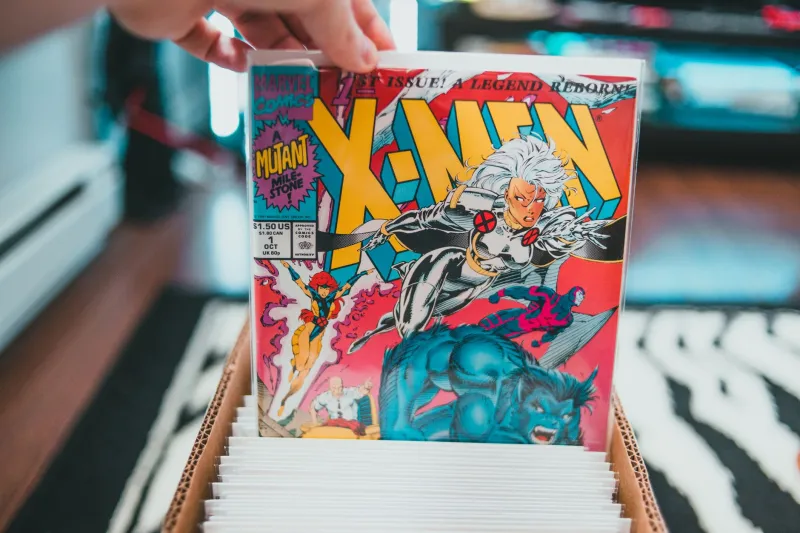
Variant covers aren't new. The concept exploded in the early 1990s during the speculator boom, when publishers discovered that multiple editions of the same issue could drive sales by encouraging collectors to buy several copies. X-Force #1 came polybagged with one of four different trading cards, effectively selling the same comic four times to completionists. Superman #75 — the Death of Superman issue — shipped in a black polybag edition that became one of the most over-purchased comics in history.
When the speculator market collapsed in the mid-'90s and shops were left with warehouses full of worthless "collectibles," the industry briefly learned its lesson. Variants became less common and more meaningful when they did appear.
Then the 2000s happened. Then the MCU happened. And then the variant cover came roaring back with a sophistication the '90s never had — backed by social media, a thriving grading industry, and a generation of collectors who grew up watching YouTube videos about comic book investments.
How Publishers Use Variants (And How They Use You)
Here's the mechanism that drives the modern variant market, and it's worth understanding clearly: incentive variants are designed to boost retailer orders, not collector value.
When a publisher offers a 1:25 variant — meaning retailers must order 25 copies of the standard cover to qualify for one incentive cover — they're not doing it out of generosity. They're guaranteeing that 25 copies of a book hit the market for every special edition that lands in a display case. For a debut issue with uncertain demand, that's a significant sales driver.
The retailer takes on the risk. They order 25 copies, sell what they can, and sit on the rest. The publisher already got paid. The collector sees a "rare" cover and pays a premium, not always understanding that the rarity was engineered rather than organic.
This doesn't make variants inherently bad — but it does mean the word "limited" needs a lot of context before it means anything.
The Case For Variants (And It's a Real Case)
Before we get too cynical, let's be fair. Variant covers have produced some genuinely stunning artwork that would never have existed otherwise.
The Peach Momoko variants that swept through Marvel's catalog introduced thousands of collectors to an artist whose work now commands serious secondary market prices. Adam Hughes' cover work on DC titles has become collector-grade material in its own right. Francesco Mattina, Artgerm, J. Scott Campbell — these are artists whose variant contributions have expanded what comic cover art can be.
For collectors who genuinely love the art form — who frame covers, who build thematic collections around a single artist's output, who care about comics as visual objects rather than investment instruments — variants offer something real. There's nothing wrong with buying a beautiful cover because it's beautiful.
The problem isn't the variants. It's the expectation, frequently encouraged by publishers, retailers, and social media hype, that beauty and rarity automatically translate to future value.
What's Actually Worth Chasing
So how do you tell the difference between a variant worth pursuing and one that'll be sitting in a dollar bin in eighteen months? Here's the framework serious collectors use:
First appearances in variants matter — but only sometimes. If a character debuts in a variant cover exclusive to one retailer, that can hold value. But the key question is whether the character catches on. Most don't.
Artist-driven value tends to last. Covers by artists with proven secondary market track records — Artgerm, Momoko, Hughes, Frazier Irving — tend to hold value better than covers by artists who are getting a one-time promotional opportunity. Know whose work you're buying.
Print run transparency is your friend. Some publishers now publish print run numbers for their variants. When they don't, ask your retailer. A 1:100 variant for a book that shipped 100,000 copies is genuinely rare. A 1:100 variant for a book that shipped 5,000 copies means 50 copies exist. Both are "1:100 variants." Only one is actually scarce.
Ratio variants for hot books spike and crash. When a book blows up — say, a character gets announced for a film or show — every variant associated with that title surges in price. This is the moment most collectors buy in. It's often the worst moment to buy in. The spike is real but usually temporary unless the character sustains cultural relevance.
Virgin covers aren't inherently more valuable. The "virgin" edition, which removes all cover text and trade dress to show pure artwork, has become its own sub-category. Collectors often assume these are rarer or more valuable by default. Sometimes they are. Often they're just the same print run with different ink coverage.
The Completionist Trap
The most dangerous thing the variant market does isn't financial — it's psychological. The urge to collect every cover of a title you love is real, and publishers know it. When a book you're emotionally invested in ships eight variants, the question isn't "is this worth buying?" The question becomes "can I stand not having it?"
That's a different kind of decision-making, and it's worth recognizing when you're in it. Completionism isn't inherently bad — plenty of collectors find genuine satisfaction in complete sets. But if you're buying covers out of anxiety rather than enthusiasm, it's worth pausing.
The collection you build should reflect what you love, not what you're afraid of missing.
The Hawkes Take
Variant covers are here to stay. The economics that drive them are too favorable to publishers and too appealing to a certain kind of collector for them to disappear. But the collectors who come out ahead — financially and emotionally — are the ones who approach variants with clear eyes.
Buy the covers that genuinely move you. Research the artists whose work has a track record. Be skeptical of hype, especially around incentive ratios and "investment grade" claims on social media. And remember that the most valuable collection isn't the most expensive one — it's the one you're still excited about in ten years.
Pretty pictures are worth something. Just make sure you're deciding how much.