Panel Prophets: The Uncanny Way Comics Saw the Future Coming
There's something almost unsettling about flipping through a comic from the 1960s and recognizing your own world staring back at you. The gadgets, the politics, the social fault lines — it's all there, drawn in four colors and packed into speech bubbles. Comic book writers have long had a reputation for being dreamers, but the more you look at the historical record, the harder it is to dismiss them as anything less than accidental prophets.
This isn't about vague, Nostradamus-style predictions you could bend to mean anything. We're talking about specific, documented instances where creators mapped out technologies and cultural movements with eerie precision — sometimes decades ahead of the curve.
The Wrist That Started It All
Let's start with the most cited example in the conversation: Dick Tracy's two-way wrist radio, introduced by Chester Gould way back in 1946. At the time, it read as pure science fiction — the kind of whimsical gadgetry you'd expect from a pulp detective strip. By 1964, Gould had upgraded it to a two-way wrist TV. The Apple Watch launched in 2015.
That's not a coincidence so much as a vision that took seventy years to manufacture. Gould wasn't an engineer. He was a cartoonist from Chicago who understood that technology was always trending toward convenience and miniaturization. He just drew the destination before anyone had built the road.
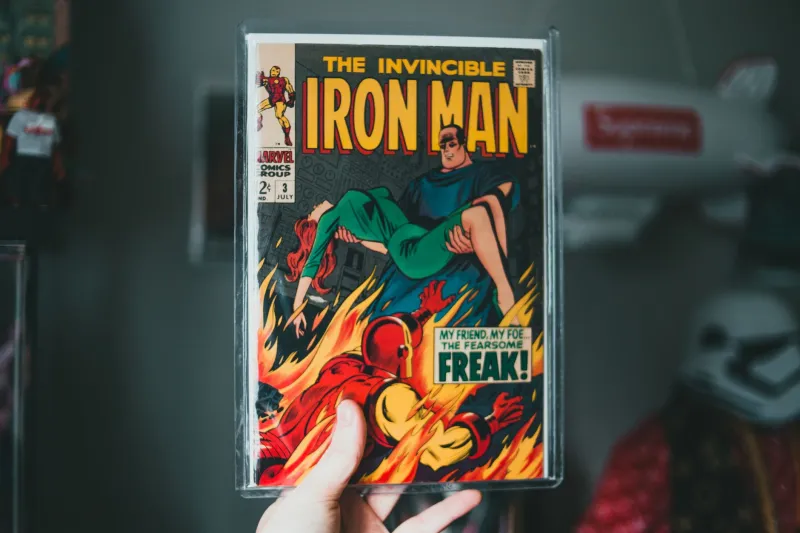
The same logic applies to Iron Man's suit. Tony Stark was strapping on powered armor in 1963. The U.S. military's TALOS program — a real attempt to build an advanced exoskeleton for soldiers — was in active development as recently as 2019. The program was eventually shelved, but the inspiration? Engineers have openly cited science fiction, including comics, as formative influences on their thinking.
Surveillance Was Never Just Paranoia
If there's one theme that runs through decades of superhero and sci-fi comics like a live wire, it's surveillance. The idea that governments and corporations might use technology to watch, track, and control ordinary citizens was treated as dystopian fantasy for most of the twentieth century. Now it's Tuesday.
Watchmen (1986) is the obvious touchstone here. Alan Moore and Dave Gibbons built a world soaked in institutional distrust, where the mechanisms of state power had metastasized beyond anyone's ability to rein them in. The book's preoccupation with who watches the watchmen felt like Cold War anxiety at the time. Post-Snowden, post-Cambridge Analytica, it reads more like a field guide.
But Moore wasn't alone. Frank Miller's Batman: The Dark Knight Returns, also from 1986, depicted a media landscape that amplified outrage, manufactured consent, and reduced complex moral questions to soundbites. Cable news was barely a thing when Miller drew those pages. Social media didn't exist. Yet the dynamic he captured — the spectacle consuming the substance — is the defining feature of how Americans consume information today.
Even lesser-known titles got in on the act. Warren Ellis's Transmetropolitan, which ran from 1997 to 2002, featured a political culture built on personality cults, disinformation, and voter apathy. Spider Jerusalem, the gonzo journalist protagonist, spent the entire series screaming into a void that kept getting louder. The book felt edgy and satirical when it launched. These days, it feels like a documentary.
The Civil Rights Allegory That Wasn't Just an Allegory
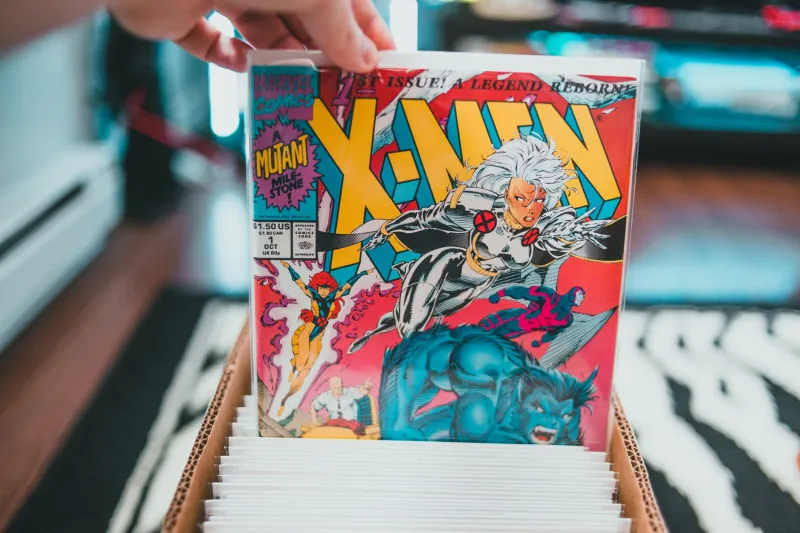
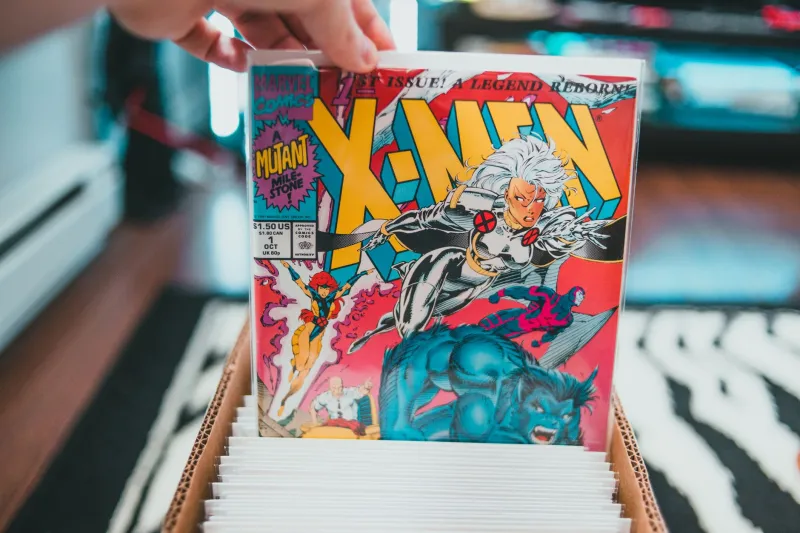
The X-Men's origins in 1963 are impossible to separate from the civil rights movement. Stan Lee and Jack Kirby created mutants — people born different, feared and hated for something they couldn't control — at the exact moment that America was being forced to confront its own history of persecution. The parallel was intentional.
What's remarkable is how the metaphor has stretched and adapted across sixty years without breaking. The X-Men have served as allegory for racial discrimination, the AIDS crisis, LGBTQ+ rights, and immigration debates, depending on which era and which creative team you're reading. That kind of sustained relevance doesn't happen by accident. It happens because the creators understood something fundamental about how marginalized communities experience power — and built a mythology flexible enough to hold that truth across generations.
The late Chris Claremont's run on Uncanny X-Men in the 1970s and '80s leaned hard into that framework, introducing characters whose identities were explicitly shaped by persecution and resistance. Storm, Wolverine, Magneto as a Holocaust survivor — these weren't just cool powers and costumes. They were a sustained argument about what society does to people it decides don't belong.
Did Comics Predict It, or Did They Build It?
Here's where it gets genuinely interesting. There's a reasonable case to be made that comics don't just predict cultural shifts — they actively contribute to them.
Consider the smartphone again. The engineers and product designers who built the devices in your pocket grew up reading science fiction comics. The visual language of what "the future" looks like — sleek, portable, connected — was shaped in part by what those readers absorbed as kids. When you've spent your childhood watching characters communicate through wrist-mounted screens, you arrive at the design table with a picture already in your head.
The same dynamic may be true for social movements. When young readers in the 1960s watched the X-Men fight for the right to exist, they weren't just being entertained. They were absorbing a moral framework about difference, belonging, and resistance. It's not a stretch to suggest that framework shaped how some of those readers thought about justice when they grew up.
Comics have always operated at the intersection of fantasy and social commentary. The best creators understood that the superhero genre, with its inherent focus on power, identity, and responsibility, was an almost perfect vehicle for asking hard questions about the real world. They just dressed those questions in capes.
Why This Matters for Collectors
For anyone building a collection, this context adds a layer of meaning that goes well beyond market value. A first printing of Watchmen isn't just a valuable book — it's a document of a moment when a British writer looked at American culture and saw exactly where it was going. A key issue of Uncanny X-Men isn't just a piece of superhero history — it's part of an ongoing cultural conversation about who gets to belong.
The comics that predicted tomorrow were written by people who paid close attention to today. That's worth remembering the next time you pull an old longbox off the shelf and wonder what the creators were thinking. Chances are, they were thinking about you — or at least the world you'd eventually be living in.
And honestly? That's what makes this hobby so much more than collecting. It's archaeology. It's cultural history. It's a reminder that imagination, at its best, is just another word for foresight.