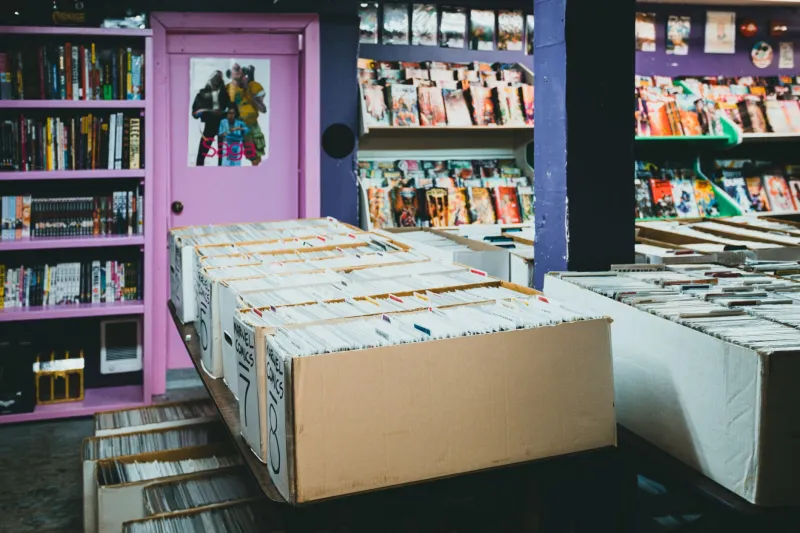
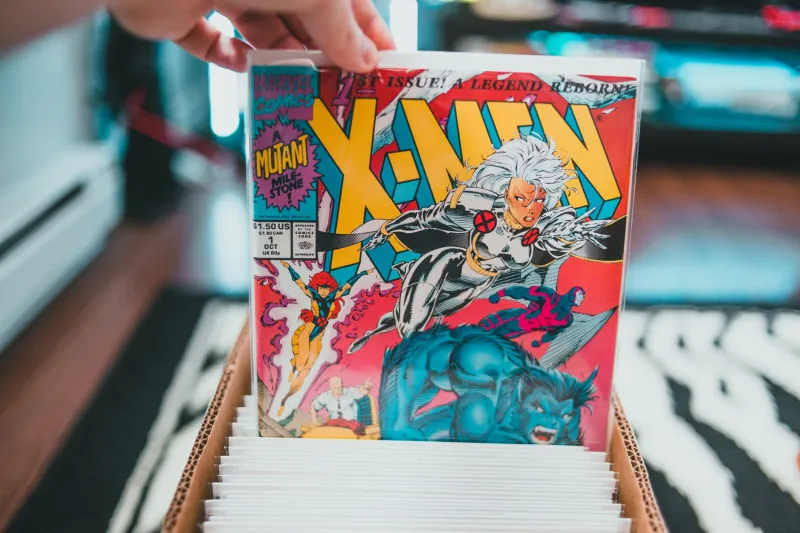
Show It Off Right: A Collector's Playbook for Displaying Comics Without Wrecking Your Space or Your Budget
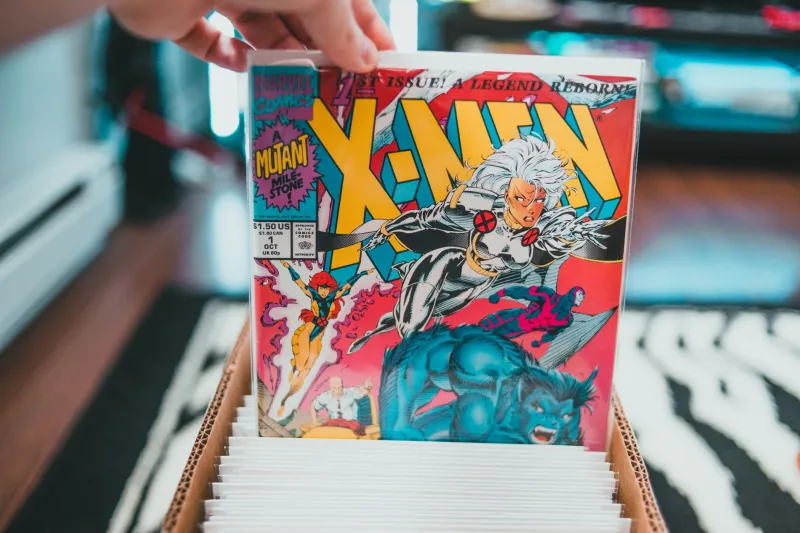
Here's a scenario most collectors know too well: you've got a run of books you're genuinely proud of, a statue or two that deserves better than a cardboard box, and a display situation that can only be described as "organized chaos with good intentions." You want something that looks intentional. Something that says collection rather than pile.
The good news is that a display setup you're actually excited about doesn't require a dedicated room, a contractor, or a budget that would make your credit card weep. It requires some planning, a little creativity, and knowing which corners you can cut without compromising the stuff that actually matters — namely, keeping your books and collectibles in the best possible shape.
Start With the Threats, Then Work Backward
Before you buy a single shelf bracket, it's worth spending five minutes thinking about what actually damages comics and collectibles. Because the most visually impressive display in the world is worthless if it's quietly degrading your collection.
The big three enemies are light, humidity, and temperature fluctuation. UV light yellows and fades paper faster than almost anything else — and it doesn't spare your action figures, either. Humidity above 60% is a mold and foxing risk. And rooms that swing dramatically between hot and cold (think garage spaces, attics, or rooms with poor insulation) stress materials in ways that compound over time.
This doesn't mean your collection needs to live in a climate-controlled vault. It means making smart choices about where you display things and which items get the most protection. Your highest-value graded slabs can handle a display shelf just fine. Unbagged raw books in direct sunlight next to an HVAC vent are a different story.
Practical baseline: keep your display area between 65–70°F and aim for relative humidity in the 40–50% range. A basic hygrometer costs under $15 on Amazon and will tell you exactly what you're working with. If humidity is consistently high, a small dehumidifier for the room is a worthwhile investment — far cheaper than replacing damaged books.
Lighting That Shows Off Instead of Destroying
Lighting is where a lot of collectors make expensive mistakes. Recessed halogen lighting looks great in photos and does a real number on your books over time. Fluorescent tubes are even worse for UV output.
The practical solution here is LED lighting, specifically LED strips rated for low or zero UV output. LED bias lighting — the kind you'd put behind a TV for ambiance — works beautifully behind shelves and display cases, creates a dramatic look, and is genuinely gentle on your collection. LIFX and Govee both make affordable smart LED strips that let you dial in color temperature and brightness. You can grab a solid 16-foot roll for $30–$50 and completely transform how a shelf looks in an evening.
For individual spotlight effects on statues or key books, look at battery-powered LED puck lights. No wiring, no commitment, easy to reposition. They're a collector's best friend for low-stakes, high-impact display work.
Shelving That Works With Your Space
The IKEA KALLAX has become something of a collector's institution, and for good reason. The cube format works well for displaying bagged and boarded comics upright (spine out, like a bookstore), and the shelves are sturdy enough for heavier statues and collectibles without a ton of reinforcement. A 2x4 KALLAX unit runs around $80–$100 and gives you eight display cubes to work with. Add fabric or wicker insert boxes in the lower cubes for storage, display in the upper ones, and you've got a functional, clean-looking setup.
If you want something more visually interesting, floating shelves are hard to beat for impact. IKEA's LACK shelves are cheap but tend to bow under serious weight — fine for lighter items, not great for a row of hardcover omnibuses. Upgrade to the BERGSHULT shelf or look at brands like Rustic State and Solid Wood Floating Shelves on Amazon if you're planning to put real weight on them. Anchor into studs, not just drywall, especially if you're in an earthquake-prone area or putting up anything that could hurt someone if it fell.
For renters worried about wall damage, there are real options beyond just not doing it. The Command strip system from 3M has gotten genuinely good — their large picture-hanging strips can handle framed covers and lighter shelves without leaving damage. For heavier floating shelves, look into French cleat systems that distribute weight more evenly and can often be mounted with fewer, better-placed holes.
Curating What You Display vs. What You Store
One of the biggest display mistakes collectors make is trying to show everything at once. The result usually looks cluttered rather than curated, and it makes individual pieces harder to appreciate.
Think about your display space the way a museum thinks about its galleries — not everything is on the floor at the same time. Rotate your display seasonally or around releases and events. Running a Batman-heavy display around a new movie or game launch isn't just fun, it gives your collection a sense of narrative.
For what's off display, proper long box storage with acid-free bags and boards is non-negotiable for anything you care about preserving. Climate-appropriate storage bags (Mylar for long-term storage, standard polypropylene for regular rotation) are inexpensive insurance. Organize by publisher, character, or writer — whatever system you'll actually maintain.
The Display Pieces Worth Splurging On
If there are areas to spend a bit more, two stand out. First: acrylic display cases for statues and figures. Cheap ones look cheap. Brands like Ikee Design and Washi make affordable acrylic cases that look significantly more professional and keep dust off your pieces between cleaning. Expect to spend $20–$60 depending on size.
Second: proper comic frames for your wall display pieces. If you're hanging a graded slab or a particularly significant raw book, a frame designed for the purpose — with UV-protective acrylic rather than glass — is worth the extra cost. CGC-compatible frames are available from multiple vendors on Etsy and eBay in the $40–$80 range and make a huge difference in how a wall display reads.
Making It Feel Like Yours
Here's the thing about display setups that the algorithm-optimized "shelfie" culture sometimes obscures: the best collection display is the one that reflects you, not the one that photographs the best for Instagram.
Mix your graded keys with the beat-up reader copies you love. Put the quirky mini-figure next to the high-end statue. Frame the sketch cover from the convention where you met the artist. Let the display tell your story as a collector, not just catalog your assets.
A thoughtfully arranged corner of a room that's clearly been assembled by someone who genuinely loves this stuff will always be more compelling than a showroom-perfect setup that feels sterile. Your collection earned its space. Give it a display that makes you happy every time you walk past it.