Outside the Fortress: Indie and Small-Press Comics That Should Be on Your Radar Right Now
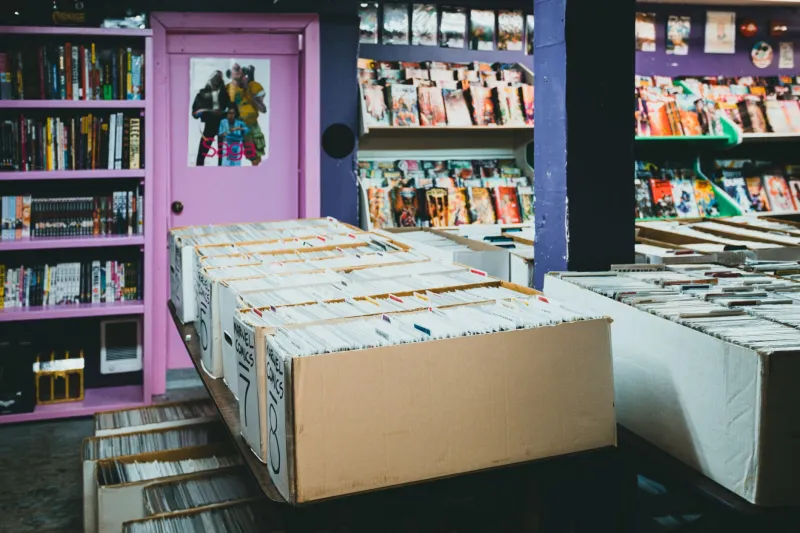
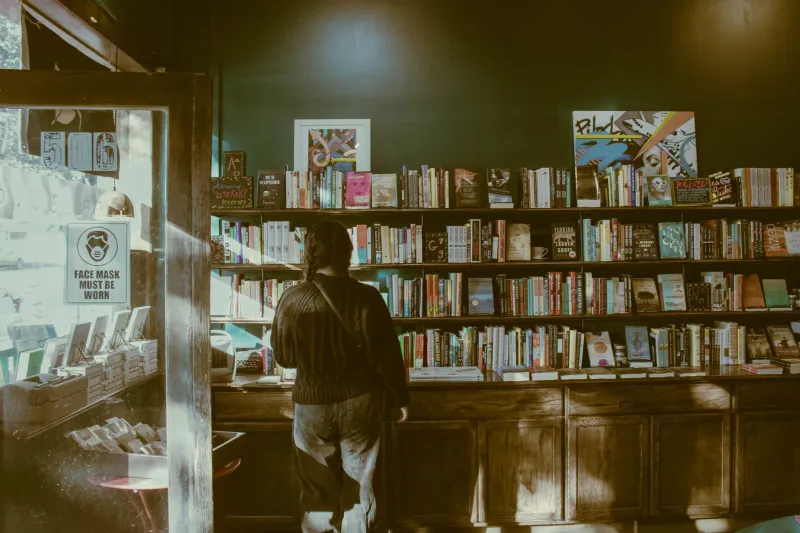
Walk into any well-stocked comic shop and you'll notice something: the Marvel and DC sections are loud. Bright. Impossible to miss. They're designed that way. But if you take a few steps past the wall of variant covers and spin racks, something interesting happens. The shelves get quieter, the art gets stranger, and the storytelling gets a whole lot more adventurous.
Independent and small-press comics have always existed alongside the Big Two, but the current moment feels genuinely special. A combination of better distribution infrastructure, creator-owned enthusiasm, and a collector base that's grown more sophisticated has pushed a wave of exceptional work into the spotlight — if you know where to look.
This isn't a piece about abandoning Marvel or DC. Read what you love. But if your pull list is exclusively superhero fare from the two biggest publishers, you're missing a significant portion of what makes comics worth caring about.
Let's fix that.
Image Comics: The Gateway That Never Gets Old
If you're just starting to explore outside the Big Two, Image is the most natural first stop. Founded in 1992 by a group of artists who wanted to own their work, Image has built an extraordinary catalog of creator-owned titles that cover nearly every genre imaginable.
Saga by Brian K. Vaughan and Fiona Staples remains one of the best ongoing series in the medium — a space opera about a mixed-race couple fleeing an intergalactic war while raising a child. It's funny, heartbreaking, visually stunning, and completely unlike anything Marvel or DC publishes. If you haven't started it, the first compendium volume is an easy entry point and a genuinely impressive object to have on your shelf.
Deadly Class by Rick Remender and Wes Craig is another Image standout — a brutal, beautifully drawn story set in a school for assassins during the 1980s. It ran for 57 issues, it's fully collected, and the back issues are still very affordable. For collectors interested in titles with both reading value and modest investment potential, a complete run of Deadly Class is worth tracking down.
Monstress by Marjorie Liu and Sana Takeda deserves special mention for its artwork alone. Takeda's pages are intricate to a degree that makes the book feel like an illustrated manuscript — every panel rewards close attention. The story itself, a dark fantasy set in a matriarchal world torn apart by war and prejudice, matches the visual ambition.
BOOM! Studios: Genre Fiction Done Right
BOOM! Studios has quietly built one of the most consistent catalogs in American comics, with a particular strength in horror, science fiction, and licensed adaptations that actually respect their source material.
Something Is Killing the Children by James Tynion IV and Werther Dell'Edera is the book that converted a lot of superhero-only readers into BOOM! fans. A monster hunter arrives in a small Wisconsin town where children are being killed by creatures only they can see. It's genuinely frightening, paced beautifully, and the lead character — Erica Slaughter — is one of the most compelling new figures in horror comics in years. The series is ongoing, early issues are already appreciating in value, and first print copies of issue #1 are worth picking up if you can find them at a reasonable price.
Once & Future by Kieron Gillen and Dan Mora reimagines Arthurian mythology as a contemporary horror-action story. It's smart, fast-moving, and illustrated with the kind of clarity and energy that makes it immediately accessible to readers who might be skeptical of fantasy settings.
Dark Horse Comics: Underappreciated and Stacked
Dark Horse has been around since 1986 and has a catalog deep enough to keep any collector busy for years. They're perhaps best known for their licensed properties — Aliens, Predator, Star Wars before Disney moved those rights to Marvel — but their original work is where the real value hides.
Hellboy by Mike Mignola is the obvious entry point, and it's obvious for good reason. Mignola's art style — high contrast, shadow-heavy, architecturally strange — is unlike anything else in mainstream comics, and the mythology he built around the Bureau for Paranormal Research and Defense is genuinely rich. The Hellboy Omnibus volumes are an excellent, affordable way to collect the complete saga.
For collectors specifically, early Dark Horse books from the late 1980s and early 1990s are an underexplored corner of the back issue market. Prices on significant issues haven't caught up to their actual historical importance yet.
Vault Comics and the New Wave
Vault Comics is the kind of publisher that should be on every serious collector's radar right now — not just because the books are good, but because they're early in their growth curve. The publisher focuses almost exclusively on creator-owned science fiction and fantasy, and their production quality is notably high.
Barbaric by Michael Moreci and Nathan Gooden is pure pulp joy — a cursed barbarian and his talking, blood-drinking axe doing morally questionable things for ostensibly good reasons. It's funny, gory, and paced like a shot of espresso. First issues from Vault titles have started attracting collector attention, and Barbaric #1 is one to have in your box.
Resonant by David Andry and Skylar Patridge is a quieter recommendation — a post-apocalyptic family drama with a genuinely unique premise involving waves of psychic energy that bring out humanity's worst impulses. It's more thoughtful than the premise suggests, and the collected edition is an easy recommendation for readers who liked The Road or Station Eleven.
The Investment Angle
For collectors who think about the financial side of the hobby — and there's nothing wrong with that — independent comics represent an interesting opportunity that mainstream books increasingly don't.
First print runs for indie titles are almost always smaller than Big Two books. A first print of a breakout indie series can appreciate significantly when that series gets optioned for film or television, which happens more often than you might think. Saga, The Walking Dead, Deadly Class, Something Is Killing the Children — all of these have had or are in development for screen adaptations. Getting in early on the books, before the option announcements, is where the real upside lives.
That said, buy what you love first. The best reason to read indie comics is because the storytelling is excellent and the creative risks are ones the Big Two simply won't take. The investment potential is a bonus, not the point.
Where to Start
If you're walking into your local shop ready to expand your pull list, here's a simple framework: pick one book from each of the publishers above and give it three issues. That's the standard rule of thumb in comics — three issues tells you whether a series has its hooks in you.
You might find that one of them changes how you think about the medium entirely. That's what the best indie books do. They remind you that comics can go anywhere and do anything — that the form itself has no ceiling, only the imagination of the people making it.
The Big Two will always be there. The long boxes aren't going anywhere. But the most exciting stuff happening in comics right now is happening outside the fortress walls, in the quieter part of the store, from publishers who are betting everything on the quality of the work.
That bet is paying off. Go see for yourself.