Panels Without Borders: How Manga's American Takeover Is Reshaping the Comics You Buy
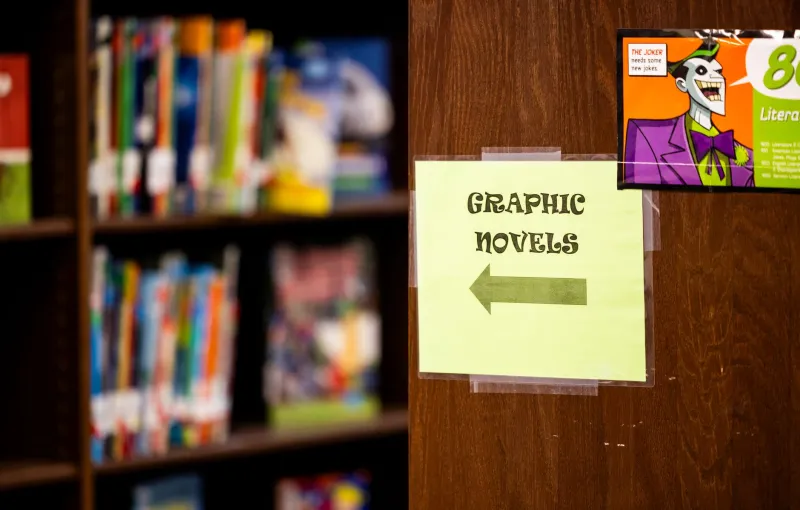
Walk into any Barnes & Noble right now and count the shelves. Then count again. Somewhere between the graphic novel section and the YA displays, manga has quietly — and then very loudly — taken over. According to industry tracking data, manga sales in the United States surpassed American comics for the first time in recent years, and that's not a blip. That's a tectonic shift. For collectors, shop owners, and die-hard fans of the Western superhero tradition, it raises a question that's genuinely uncomfortable to sit with: what does the comics industry look like when the format that built it isn't the most popular one anymore?
This isn't a doom-and-gloom piece. But it is an honest one. Let's talk about what's actually happening and what it means for the hobby we all love.
The Numbers Don't Lie (Even When They Sting)
For most of comics history, American publishers — Marvel, DC, Dark Horse, Image — set the pace. They defined what a comic looked like, how long it ran, and what kinds of stories got told. Manga was always there, but for a long time it occupied a niche corner of the direct market, something you'd find if you went looking but wouldn't stumble across accidentally.
That changed hard and fast. Publishers like Viz Media, Yen Press, and Kodansha USA have been stacking wins for years, but the pandemic era accelerated everything. Titles like Demon Slayer, Jujutsu Kaisen, and My Hero Academia weren't just selling well — they were selling in formats and through channels that traditional comics weren't touching. Bookstore chains, grocery stores, Target, Amazon. The distribution model was different, the price point was different, and the audience was different.
Collectors who only track the direct market through their local shop's pull list might have missed just how big this wave got. But it's here, and it's not leaving.
What Manga Is Actually Doing Right
Here's the part where we have to be honest, even if it's a little awkward. Manga publishers are doing several things extremely well that Western publishers have historically struggled with.
Serialization with a destination. Most manga titles run toward a defined ending. Readers know there's a finish line. Compare that to American superhero books, where a character like Spider-Man has been running in various forms for over sixty years with no end in sight. That's great for legacy, but it can be genuinely exhausting for new readers trying to figure out where to jump in.
Collected volumes that make sense. The tankobon format — those compact, affordable collected volumes — has been manga's backbone for decades. They're easy to shelve, easy to carry, and easy to gift. American comics have made strides with trade paperbacks, but the ecosystem around manga volumes is just more consistent and reader-friendly.
Right-to-left reading and visual identity. This one's interesting. When manga first started gaining traction in the US, publishers actually flipped books to read left-to-right to match American conventions. Then they stopped doing that, and readers adapted. The distinct visual language of manga — the panel flow, the expressive character design, the way action sequences work — is now something American readers actively seek out rather than find confusing.
Reaching younger readers. Shonen and shojo titles have a lock on the teen and tween demographic in a way that American superhero comics simply don't right now. Those readers are growing up with manga as their default sequential art experience. That has long-term implications for every corner of this hobby.
Where Does That Leave American Comics?
This is where things get genuinely interesting for collectors and fans who are invested in the Western tradition.
The honest answer is that American publishers have a few paths forward, and they're probably going to pursue all of them simultaneously with varying degrees of success.
First, there's adaptation — not of individual titles, but of publishing philosophy. DC has experimented with more self-contained prestige format stories. Image has always leaned into creator-owned, finite runs. More publishers are thinking about how to package stories for bookstore audiences rather than just direct market shops. That's a real shift, and it's one worth watching.
Second, there's differentiation. American superhero comics have something manga largely doesn't: decades of interconnected universe storytelling. Love it or hate it, the shared universe is a genuinely unique thing. Events, crossovers, the sense that every title exists in conversation with every other title — that's a feature, not a bug, if it's handled well. The trick is making it feel like an invitation rather than a barrier.
Third — and this is the collector angle — American comics still dominate in certain formats and markets. Variant covers, graded slabs, first appearances, key issues: this is a culture that manga collecting simply hasn't replicated at scale in the US. The speculator market, for all its problems, is still largely a Western comics phenomenon. If you're building a collection around investment value or historical significance, American comics still have a strong case.
What This Means for Your Collection
If you're a collector trying to figure out how to navigate this moment, here's some practical thinking.
Don't treat this as an either/or situation. Plenty of collectors are building shelves that mix manga volumes with American single issues and trade paperbacks. The hobby is big enough for both, and honestly, having both makes you a more well-rounded reader.
Pay attention to what your local shop is stocking. If they're adding manga sections or expanding their bookshelf-format inventory, that's a signal about where demand is heading. Shops that adapt tend to survive. Shops that don't tend to show up in the kind of articles we've published before about disappearing storefronts.
Think about what you actually love about comics. If it's the art form itself — sequential storytelling, visual narrative, character development across a long run — manga has a lot to offer. If it's the specific texture of American superhero mythology, the legacy characters and shared universe drama, that's still very much alive and worth investing in.
The Real Question
Manga's rise in the US isn't a threat to comics. It's a reminder that sequential art is a format with enormous appeal when it's packaged and distributed the right way. American publishers built something remarkable. The question now is whether they're willing to learn from what's working without abandoning what makes their output distinct.
For collectors and fans, the answer is simple: keep reading, keep buying what you love, and stay curious. The format war isn't really a war. It's an expansion. And more readers in the tent — regardless of which direction they read — is good for everyone.