Bits vs. Boards: What the Digital Comics Surge Really Means for Your Collection and Your Local Shop
Let's be honest: the last time you waited three weeks for a storyline to wrap up in single issues, you probably wondered — just for a second — whether a Marvel Unlimited subscription would solve your problems. For a flat monthly fee, you get access to thousands of issues, readable on your phone while waiting for coffee. No trip to the shop. No mylar bags. No long box eating up half your closet.
That pitch is working. Digital comics readership has climbed steadily for years, and platforms like Marvel Unlimited, DC Universe Infinite, and ComiXology (in whatever form Amazon has left it) have collectively pulled millions of readers into a format that didn't really exist for consumers twenty years ago. The question isn't whether digital is growing. It's what that growth is actually doing to the culture of collecting — and to the shops that built that culture in the first place.
What Digital Does Really, Really Well
There's no version of this conversation where you pretend digital comics aren't genuinely great for certain things. Accessibility is the big one. Want to read every issue of Daredevil before diving into the current run? You can do that in a weekend on Marvel Unlimited without spending four hundred dollars at back-issue bins. For new readers — the ones the industry desperately needs — digital subscriptions remove almost every barrier to entry.
Archival depth is another real advantage. Physical back issues degrade. They get lost in moves. They get water damaged in basements. A digital library doesn't yellow, and you don't need to grade it. For readers who care about stories over objects, that's not a small thing.
And then there's the simple reality of space. Not everyone lives in a house with a dedicated comics room. Apartment dwellers, people with kids, collectors who are already maxed out on shelf space — digital gives them a way to keep reading without negotiating storage solutions with their significant other every six months.
What Digital Gets Completely Wrong
Here's where collectors and digital-only readers tend to talk past each other: the assumption that reading and collecting are the same activity. They're not.
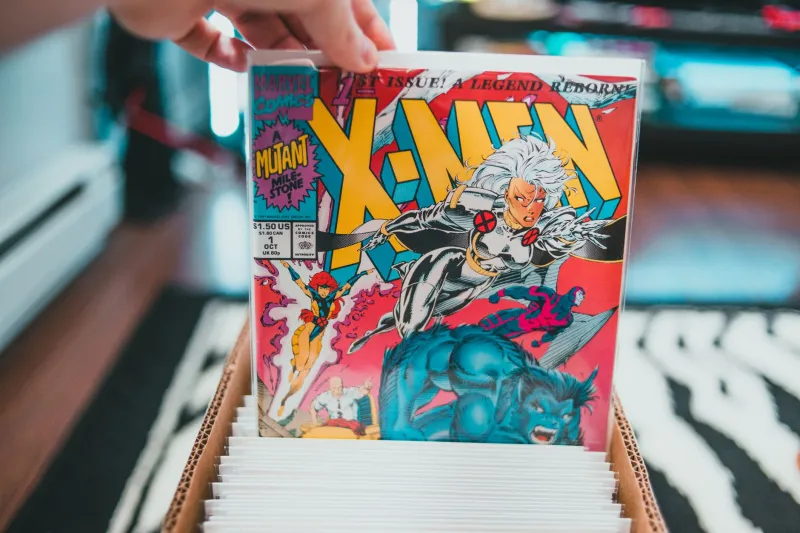
When you buy a physical comic — especially a first printing, a key issue, a variant with a print run under a thousand copies — you're not just consuming a story. You're acquiring an object with provenance, scarcity, and potential long-term value. That New Mutants #98 sitting in a Mylar sleeve in your long box is worth real money right now. Your digital access to the same issue is worth exactly nothing the moment you cancel your subscription.
Ownership is the crux of it. Digital comics, in almost every case, are licenses. You're paying for access, not possession. If Marvel decides to pull a title from Unlimited, or if a platform shuts down — and platforms do shut down — your "collection" evaporates. There's no resale market, no inheritance, no tangible asset to show for years of subscription fees. For serious collectors, that's not a minor footnote. It's a fundamental flaw in the model.
The tactile experience matters too, even if it sounds sentimental. The weight of a well-made hardcover. The smell of newsprint on a Golden Age issue. The way a truly great cover looks under proper lighting on a display shelf. These things aren't nostalgia for their own sake — they're part of why collecting feels like collecting instead of just streaming.
The Real Threat to Comic Shops Isn't What You Think
Comic retailers have been watching the digital shift with understandable anxiety, but the more nuanced threat isn't the reader who goes fully digital and never comes back. It's the reader who uses digital as a sampling tool and then selectively upgrades to physical — but only for the most premium, most collectible items.
That behavior pattern is already visible. Readers try a run digitally, fall in love with it, then come in looking for first printings of key issues or a deluxe hardcover edition. That's actually good for shops in some ways. But it also means the casual, weekly single-issue buyer — the person who used to grab five or six new books every Wednesday — is increasingly rare. That steady, predictable revenue is what keeps the lights on at your local shop, and digital subscriptions are quietly eroding it.
Shops that are adapting tend to lean harder into what digital can't replicate: community, curation, and exclusivity. In-store events, creator signings, exclusive variant covers, CGC submission services, and pull-list relationships built on genuine recommendations — these are the things that give a physical retail space value that no app can match.
Can Digital and Physical Actually Coexist?
For most serious collectors, the answer is already yes — they're just using the two formats for different things. Digital is for reading. Physical is for owning.
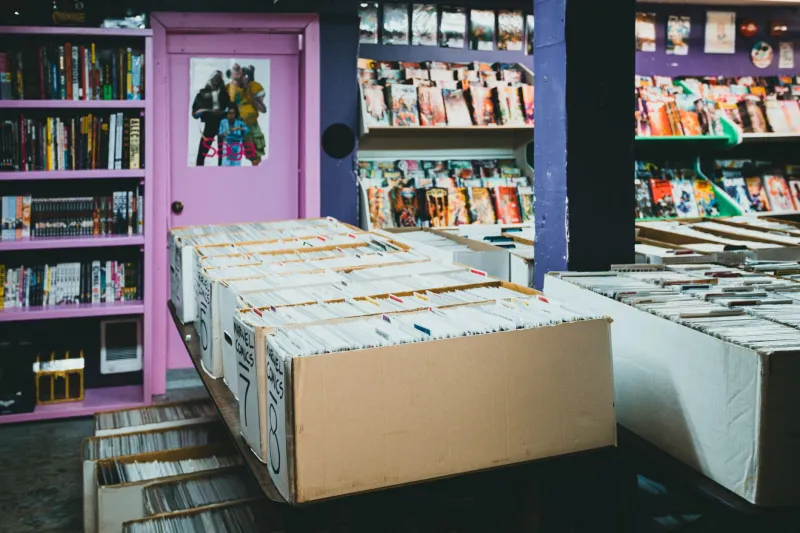
A lot of collectors use Marvel Unlimited or DC Infinite to scout runs before committing to physical copies. They'll read thirty issues digitally to decide if a series is worth tracking down in print. When it is, they go hunting — back-issue bins, online marketplaces, their local shop's back stock. The digital platform becomes a discovery engine for physical purchases rather than a replacement for them.
That's a healthy dynamic, and it's probably where the market is heading for dedicated collectors. The casual reader who just wants stories? They'll go digital and stay there. The collector who wants objects with history and value? They'll keep buying physical, possibly more selectively than before, but they'll keep buying.
What Collectors Should Actually Do Right Now
If you're weighing how to split your comics budget between digital and physical, a few practical thoughts:
Use digital subscriptions for discovery and deep dives. They're genuinely excellent for catching up on decades of continuity without bankrupting yourself. Lean into that.
Buy physical for anything you think might matter long-term. First appearances, key story arcs, limited print runs, and anything with legitimate cultural heat around it — those belong in your hands, bagged and boarded, not behind a paywall.
Keep supporting your local shop. Even if your reading habits shift toward digital, your pull list and your occasional back-issue hunt keep that ecosystem alive. Lose the shops, and you lose the community events, the knowledgeable staff, and the discovery serendipity that no algorithm has ever replicated.
Don't mistake access for ownership. It sounds obvious, but a lot of readers are building what they think of as collections that are actually just subscriptions. Know the difference before you're surprised by it.
The format war isn't really a war — it's a negotiation. Digital and physical serve different needs, and the collectors who figure out how to use both intelligently are going to end up with the best of everything: great reading experiences and real, tangible collections that actually mean something. The ones who pick a side and go all in on digital-only? They're readers. And that's fine. But they're not collectors. Not in the way that counts.