From Sidekick to Spotlight: How Blue-Collar Heroes Are Quietly Taking Over Comics

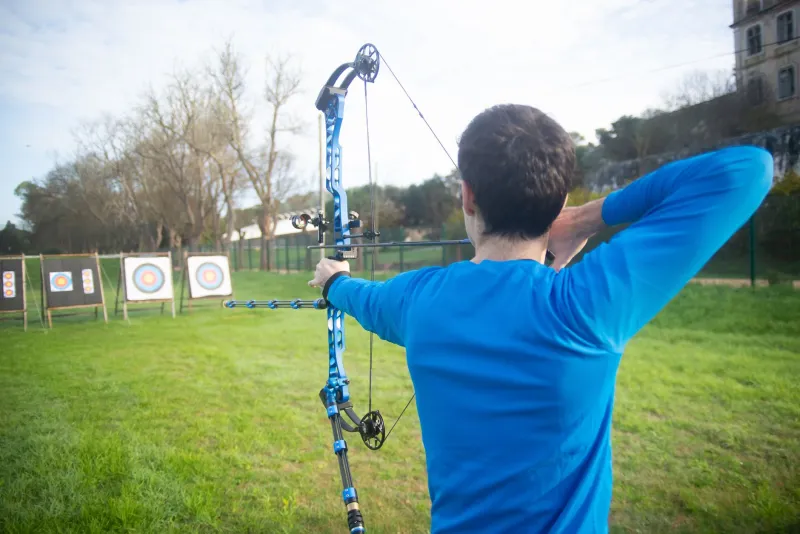
There's a moment in Matt Fraction and David Aja's Hawkeye run — you probably know the one — where Clint Barton is just trying to save his apartment building from a mob boss while nursing a busted arm and a bruised ego. No helicarrier. No backup from the Avengers. Just a guy with a bow, a bad attitude, and a pizza dog named Lucky. It sold like crazy. It won awards. And it quietly cracked open a conversation the industry has been having ever since: what actually makes a hero worth following?
The answer, increasingly, isn't a power ring or a radioactive origin story. It's relatability. It's stakes that feel human-sized.
The Long Road from Second Banana to Leading Man
Street-level heroes didn't always get this kind of shine. For decades, characters like Hawkeye, Black Widow, and the Question existed primarily as supporting players — useful when the plot called for someone to handle the stuff Thor couldn't do without leveling a city block, but rarely the names on the marquee. Their lack of powers was treated like a limitation to work around rather than a feature worth exploring.
The shift started slowly. Frank Miller's Daredevil work in the early '80s proved that a guy without any flashy abilities could anchor a noir-soaked, morally complex story that punched way above its weight class. Ed Brubaker picked up that thread with his Captain America run, grounding Steve Rogers in Cold War paranoia and personal loss. These weren't stories about gods — they were stories about people operating at the edge of what human beings can actually endure.
But it took the broader cultural moment of the 2010s to really accelerate things. Readers started gravitating toward protagonists with visible flaws, messy personal lives, and problems that didn't get solved by punching harder. Comics responded.
Why the Powerless Hit Different
Here's the thing about a character like Matt Murdock or Kate Bishop or Renee Montoya — when they get hurt, you feel it. There's no healing factor to hand-wave the consequences. When Jessica Jones drags herself through another case while dealing with trauma she hasn't remotely processed, the weight of it lands differently than when a demigod shakes off an asteroid to the face.
That emotional specificity is doing a lot of work. Readers in 2025 aren't just looking for action — they want interiority. They want to see characters wrestle with failure, identity, and the cost of doing the right thing in a world that frequently doesn't reward it. Street-level heroes live in that space full-time. Their stories are inherently about limitation, and limitation is something every reader understands.
There's also something worth noting about setting. When a story takes place in Hell's Kitchen or a rundown Bed-Stuy apartment rather than the Savage Land or the Kree homeworld, it creates an immediacy that cosmic-scale narratives struggle to replicate. The corner store, the busted radiator, the landlord who won't fix anything — these details anchor a story in a reality readers actually inhabit.
The Titles Carrying the Torch Right Now
The current publishing landscape is genuinely stacked with street-level books worth your pull list real estate.
Marvel has been leaning hard into this lane with Daredevil titles that continue to prioritize psychological depth over spectacle. The recent Hawkeye and Black Widow one-shots have reminded readers why these characters work best when they're operating alone, without Avengers-level backup arriving in the third act.
Over at DC, Blue Beetle has found a groove by centering a working-class kid from El Paso who's still figuring out what the scarab on his back actually wants from him. It's funny, it's grounded, and it treats its community setting like a character rather than a backdrop. Green Arrow has similarly leaned into Oliver Queen's blue-collar politics in ways that feel less like a gimmick and more like genuine storytelling conviction.
Indie publishers are, unsurprisingly, where this trend gets pushed furthest. BOOM! Studios and Image have been putting out character-driven books that don't even bother with the superhero framework — just complicated people navigating dangerous situations with whatever skills and stubbornness they've got. If you haven't been paying attention to what's coming out of those publishers, you're missing the leading edge of where this genre is going.
What Collectors Are Noticing
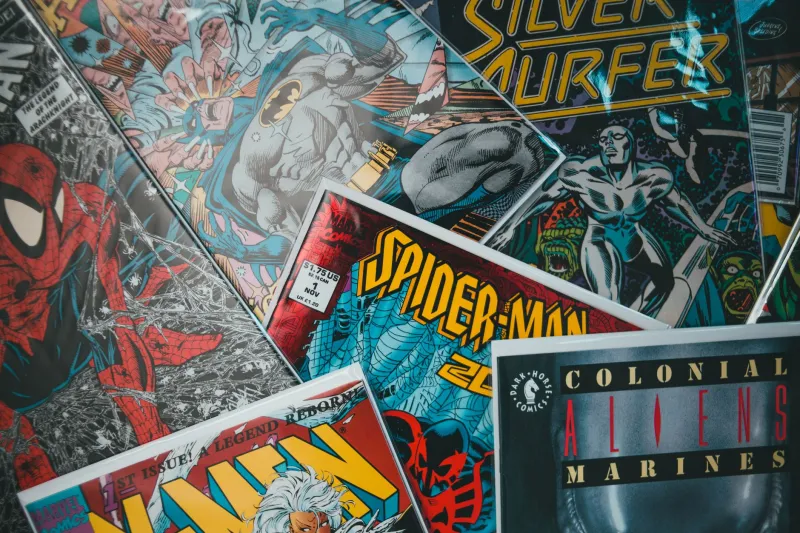
Here's an angle that doesn't get discussed enough: the back-issue market for street-level hero runs has been quietly appreciating in ways that rival the bigger crossover events. First appearances and key issues tied to non-powered characters — early Hawkeye solo issues, first prints of the Fraction/Aja run, Bendis-era Alias — have seen consistent demand from readers who came in through the MCU and then went hunting for source material.
That's not an accident. When a character resonates, readers want to own the definitive version of their story. And for blue-collar heroes, those definitive runs tend to be tight, self-contained, and genuinely rereadable — the kind of books you hand to someone who claims they don't read comics and watch them finish it in one sitting.
If you're collecting with any eye toward long-term value, the street-level corner of the market deserves more attention than it typically gets from people chasing variant covers of the latest crossover event.
The Bigger Picture
What's really happening here isn't just a trend in publishing — it's a realignment of what readers are asking comics to do. The genre built its foundation on power fantasy, and that's not going anywhere. But alongside it, there's a growing demand for stories about competence, resilience, and the particular kind of courage it takes to show up without any cosmic advantage backing you up.
Street-level heroes answer that demand directly. They're not aspirational in the way that Superman is aspirational — they're aspirational in the way that your most capable, most stubborn friend is aspirational. The one who figures things out because they have to, not because the plot requires them to win.
That's a different kind of fantasy, and right now, it might be the one comics does best.