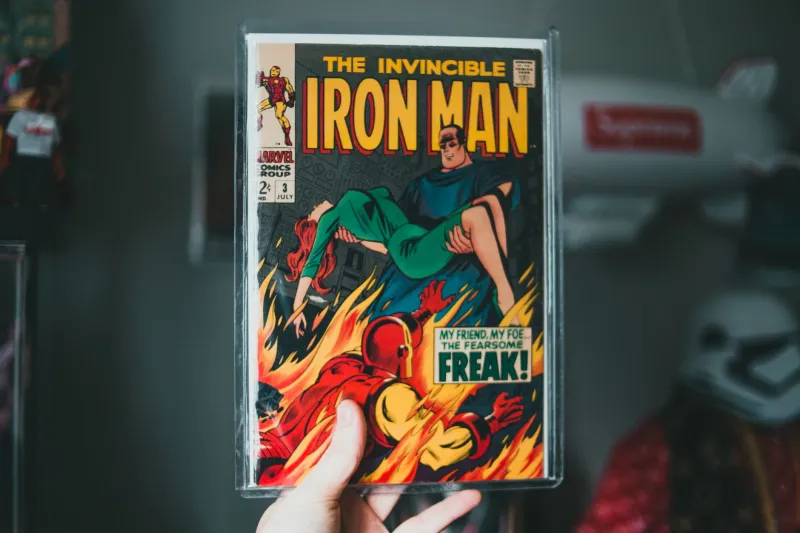
Reset Button Blues: Why Comic Fans Are Done With Reboots and Ready for Stories That Actually Stick
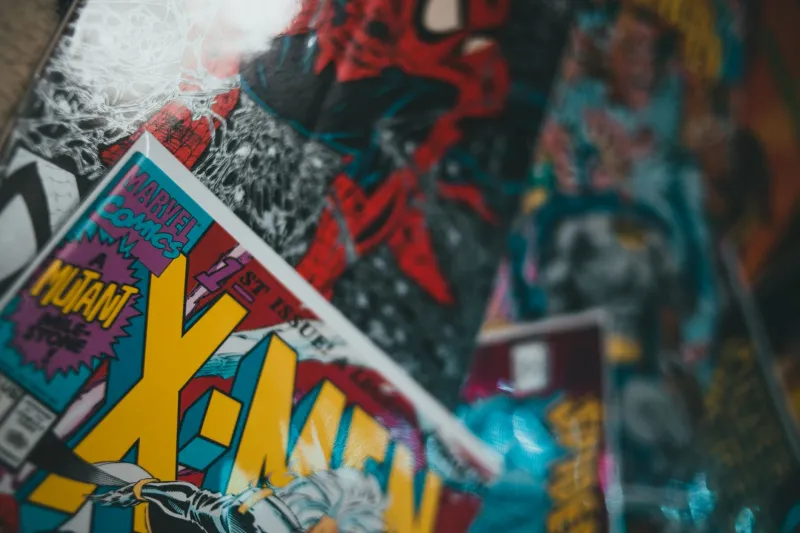
There's a particular kind of exhaustion that settles in when you've been collecting comics long enough. It's not the good kind of tired — the satisfied, stayed-up-too-late-reading kind. It's the kind that hits when you're standing in your local shop, staring at a #1 issue for a character whose previous series ended eight months ago, and you genuinely cannot remember whether this is a sequel, a relaunch, a soft reboot, or a full-on continuity wipe.
Call it reboot fatigue. And right now, it's one of the loudest conversations happening in comic shops, fan forums, and collector communities from coast to coast.
The Problem With Starting Over (Again)
Let's be honest about what reboots are supposed to do. The pitch is always the same: lower the barrier to entry, bring in new readers, and give creative teams a clean slate. On paper, that sounds reasonable. In practice, it's become a reflex — a publishing strategy that gets deployed so frequently it's stopped meaning anything.
Marvel and DC have both leaned hard into this cycle for decades. DC's continuity has been reshuffled so many times that even dedicated fans sometimes struggle to explain whether a given storyline is still "in canon." Marvel's approach has been slightly different — more of a rolling soft reboot model with events like Secret Wars doing heavy lifting — but the result feels similar on the ground. Characters get their histories trimmed, relationships get walked back, and consequences that took years to build get quietly retired.
For casual readers, maybe that's fine. But for collectors? It's maddening.
"I've got long boxes full of runs I genuinely love," says one collector from the Hawkes Comics community, "and half the time I'm not sure if any of it still matters to the current version of the character. That disconnection makes it harder to care about what's on the shelf right now."
What Collectors Are Actually Losing
Here's the thing that often gets lost in the accessibility argument: continuity isn't just a nerdy obsession. It's the mechanism that gives comic storytelling its emotional depth. When a character loses someone, grows, fails, recovers — those beats land harder because they're built on everything that came before. Strip that away and you're left with a character who exists in permanent amber, never quite allowed to become anything.
Collectors feel this acutely because they've made an investment — not just financially, but emotionally. A long run on a title represents years of following a story. When a reboot effectively voids that run, it's not just a continuity inconvenience. It's a signal that the stories you cared about didn't really matter to the publisher in the long run.
Retailers are noticing the downstream effects too. "When there's a reboot, we see a short spike on the new #1," says a shop owner from the Midwest who's been in the business for over fifteen years. "But then the pull list numbers flatten out faster than they used to. Readers are skeptical now. They've been burned enough times that they want to wait and see if a run is actually going somewhere before they commit."
That hesitation has real consequences for how shops order and how publishers plan. It's a trust deficit, and it's been building for a while.
The Publishers Getting It Right
Not everyone is stuck in the reset loop, though. Some publishers — and some creative teams at the big houses — are making a genuine case for why continuity still works.
Image Comics has long been a counterexample worth pointing to. Saga, Invincible, The Walking Dead — these titles built devoted readerships precisely because they committed to consequence. Characters aged, died, changed. The story moved forward and didn't look back. Readers responded by staying invested for years, sometimes decades.
On the indie and small-press side, you see similar discipline. Publishers like Fantagraphics and Drawn & Quarterly aren't in the reboot business at all — their model is built around authorial vision and narrative completion. That's a different market, sure, but the lesson transfers.
Even within Marvel and DC, there are creative teams pushing back against the reset impulse. Tom King's work on Batman and Mister Miracle leaned into continuity as an asset, treating the weight of a character's history as something to write toward rather than away from. Al Ewing's Immortal Hulk run did something similar — taking decades of contradictory Hulk lore and weaving it into a coherent, genuinely unsettling horror story. Both runs became critical darlings and strong backlist sellers precisely because they felt like they meant something.
The New Reader Myth
One of the most persistent justifications for reboots is the new reader problem. The argument goes: continuity is a wall that keeps fresh audiences out, and reboots are the door. But there's increasing skepticism about whether that's actually true.
New readers in 2024 are often arriving through adaptation — a movie, a streaming series, a video game. When someone comes in looking for comics after watching a Marvel show, they're not necessarily looking for a clean continuity. They're looking for something that captures what they loved about the character. A well-chosen trade paperback from fifteen years ago can do that just as effectively as a shiny new #1.
The bookstore market has reinforced this. Graphic novel sales to non-traditional comic buyers have grown steadily, and a significant chunk of that market is driven by classic runs and collected editions. Readers aren't scared off by continuity when it's packaged well and presented with context.
"We sell a ton of older collected runs to people who just discovered a character through TV or film," notes one retailer. "They want depth. They want history. They're not asking us to simplify things — they're asking us to help them find the good stuff."
What Fans Actually Want
Poll the collector community long enough and a pretty clear picture emerges. Fans aren't anti-accessibility. They're not demanding that publishers lock out new readers with impenetrable lore. What they want is for stories to matter — for the things that happen in a run to have weight that carries forward.
That's not an unreasonable ask. It's actually the thing that separates comics from other media at their best: the accumulated texture of decades of storytelling, handled with care.
The publishers that figure out how to honor that legacy while still inviting new readers in — through smart trade collections, thoughtful on-ramp arcs, and genuine creative commitment — are the ones building loyal audiences right now. The ones that keep hitting the reset button are burning through goodwill that's harder and harder to rebuild.
Reboot fatigue is real. But the hunger underneath it is actually a good sign. Fans are exhausted because they care. They want more from comics, not less. That's worth paying attention to.